
Apple Leather is an innovative vegan and eco-friendly leather made from apple processing waste (fruit pulp and peels). In the design of high-end products, Apple Leather has become a popular choice, and many fashion brands use it to manufacture luxury bags.
Apple Leather bags not only maintain the texture and durability of traditional leather but also meet the dual demands of modern consumers for environmental protection and aesthetics through innovative design. A high-quality apple leather bag has a lifespan of approximately 2 to 5 years. Although it is not as durable as real leather bags, it is the preferred choice for environmentalists and vegetarians.
This post will introduce the characteristics and durability of Apple Leather and its benefits in bag manufacturing.
What Is Apple Leather?
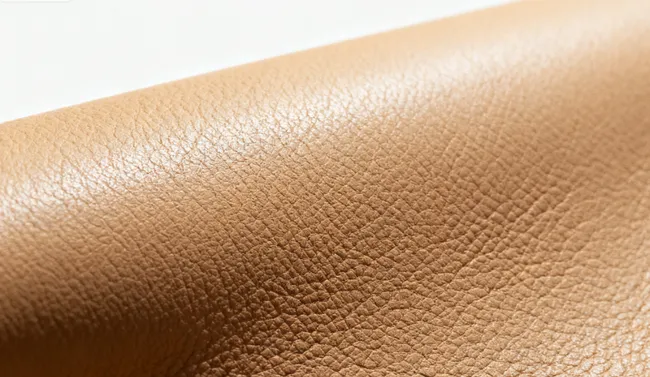
Apple leather is a type of synthetic leather product made from plant materials. It is mainly composed of plant-based eco-friendly leather made from by-products of the apple industry (mainly apple peels and cores). It is a “vegan leather” and sustainable material that has emerged in recent years. This is an environmentally friendly material without animal components, aiming to imitate the appearance and texture of genuine leather (like cowhide or suede), while reducing food waste and reliance on synthetic plastics or animal skins.
The Definition and Origin of Apple Leather
- Essence: Apple leather is a type of vegan leather, completely free of animal components. It is an innovative product that uses biotechnology to transform apple waste into high-performance plant-based materials.
- Raw Material Source: Mainly utilizes the waste generated during the industrial production of apple juice, including the residual peels, cores, and paste-like fruit flesh after juicing. These waste materials, which would otherwise be landfilled or incinerated, are upgraded and recycled to become valuable materials.
- Production Principle: The apple waste is crushed, fermented, and the cellulose is extracted. It is then mixed with organic solvents and a small amount of polyurethane and bonded to the fabric to form leather-like materials. Finally, processes such as embossing are used to give it the texture similar to animal leather.
The Features of Apple Leather:
Environmental Friendliness:
- Reduction of waste: Apple leather utilizes the discarded apple waste that would otherwise be discarded, reducing resource waste and environmental pollution.
- Low carbon emissions: Compared to traditional animal leather, the production process of Apple Leather has lower carbon emissions and has a smaller impact on the environment.
- Biodegradability: Some apple leather products are made of biodegradable materials, further reducing the burden on the environment.
Animal friendliness: The production process of apple leather does not involve the sacrifice or mistreatment of animals, which is in line with the modern society’s emphasis on animal protection and welfare.
Texture and appearance: Apple leather has a smooth and fine texture, comparable to traditional animal leather. Its surface is delicate, the touch is comfortable, and there are a wide variety of color options, which can meet the aesthetic needs of different consumers.
Durability: Apple leather has excellent wear resistance and can withstand the tests of daily use. It is not prone to deformation or damage, and maintains its appearance and texture for a long time.
Waterproofness and breathability: After special treatment, apple leather has good waterproof performance, keeping dry in humid environments. At the same time, it also has good breathability, allowing the skin to breathe and avoiding discomfort caused by prolonged wearing.
Market Prospects and Challenges
Market Prospects: With the increasing environmental awareness among consumers and the growing demand for sustainable fashion, the market prospects for plant-based leather materials such as apple leather are broad. They not only meet the demand for high-quality products but also inject new vitality into the environmental cause.
Challenges:
- Raw Material Supply: The production of apple leather relies on the supply of apple waste. Currently, most of the apple waste comes from the European region, and the raw material supply is limited and costly.
- Production Costs: Due to the relatively complex production process of apple leather and the use of chemical products, its production costs are usually higher than those of traditional leather materials.
- Consumer Perception: Although apple leather has many advantages, some consumers still have doubts about its performance and durability. Therefore, improving consumers’ awareness and acceptance of apple leather is the key to market promotion.
Pros and Cons of Apple Leather
| Pros | Cons |
| Animal-free & cruelty-free | Less durable than genuine cowhide leather (shorter lifespan for daily use) |
| Eco-friendly (reduces food waste, lower carbon footprint) | Waterproofing is limited; absorbs moisture if untreated |
| Soft, pliable texture (similar to suede or corrected-grain leather) | Prone to scuffs and scratches with heavy use |
| Lightweight & versatile for design | Bio-based versions are more expensive than PU-blended or synthetic alternatives |
| Can be partially or fully biodegradable (depending on the binder) | Color fastness varies—may fade with prolonged sun exposure |
Common Applications and Brands
Apple leather is widely used in fashion accessories and clothing, including lightweight handbags, wallets, card holders, shoe uppers, and small leather items. It is favored by sustainable luxury and ethical fashion brands, such as:
- Stella McCartney: Uses apple leather to make decorative edges for small accessories and bags.
- Matt & Nat: Integrates apple leather into their vegan handbag collection.
- Pinatex (sister concepts): Certain styles blend apple fibers with other plant materials to enhance durability.
Due to its moderate durability, apple leather is rarely used for heavy items (e.g., large commuter bags, outdoor gear), but it is highly suitable for casual and light-use accessories.
Apple Leather vs. Other Materials:
| Material | Source | Eco-Friendliness | Durability | Vegan |
| Apple Leather | Apple waste + PU | High (waste reuse) | Medium | Yes |
| Cow Leather | Animal hide | Low (high CO₂, water, chemicals) | High | No |
| PU Leather | Petroleum | Low | Medium | Yes |
| Cork Leather | Cork oak bark | Very high | Medium | Yes |
How to Make Apple Leather?
Producing apple leather is a technology that combines material science with sustainable design. Its core lies in transforming the discarded fruit residues from the apple industry into flexible materials that can be used in the fashion industry. The entire process can be divided into industrial-scale production and simplified methods for small-scale DIY.
Large-scale Commercial Production of Apple Leather (for fashion products)
Brands like Stella McCartney and Matt & Nat adopt industrial processes to produce apple leather with stable quality, durability, and textures suitable for handbags, shoes, and clothing. This process consists of 6 core steps:
Step 1: Waste Collection and Pre-treatment
Collect a large amount of apple peels and pulp from fruit processing plants; classify and clean the waste to remove cores, mold, and other impurities.
Dry the waste in an industrial dehydrator until the moisture content is reduced to 10%-15%, and then grind it into fine apple fiber powder using a mill.
Optional step: Use enzyme treatment to slightly decompose the apple fiber structure – this can improve the flexibility of the fibers and their adhesion to adhesives.
Step 2: Composite Mixing
Mix the apple fiber powder with the adhesive in a dedicated mixer:
Environmentally friendly (completely biodegradable): Mix 60%-70% of apple fiber powder with 30%-40% of biobased polymers (such as PLA) and a small amount of glycerol (plasticizer).
Durable (commercial mainstream): Mix 50%-60% of apple fiber powder with 40%-50% of polyurethane (PU) to enhance water resistance and tear strength. Mix the mixture at high speed until it forms a uniform, plastic-like composite paste.
Step 3: Lamination and Shaping
Send the composite paste to an industrial lamination machine (a group of heated rollers). This machine presses the paste into thin and uniform sheet-like shapes under controlled temperature (80 – 100°C) and pressure.
Regarding texture: The rollers can be engraved with leather-like texture patterns (such as pebble texture, suede texture) to imitate the appearance of real leather. The thickness of the sheet is precisely controlled (0.8 – 2 mm, depending on the product’s usage).
Step 4: Curing and Drying
Send the laminated sheet to a drying tunnel to remove residual moisture – this will stabilize the shape of the material and prevent deformation.
In a controlled environment (temperature 50 – 60°C, humidity 40 – 50%), cure the sheet for 12 – 24 hours to enhance the bond between the apple fibers and the adhesive.
Step 5: Surface Treatment
- Dyeing: Soak the cured sheet in a natural or synthetic dye bath to achieve the desired color; fix the color with a dye fixative to prevent fading.
- Coating: Apply a thin and environmentally friendly protective coating (such as plant-based wax or water-based polyurethane) on the surface to enhance water resistance and stain resistance (this is crucial for fashion accessories like handbags).
- Trimming: Cut the finished apple leather sheet into standard sizes and trim off any uneven edges.
Step 6: Quality Inspection and Grading
Check the apple leather for flaws (such as uneven thickness, holes, inconsistent color, or weak adhesion).
Grade the materials: High-quality apple leather (uniform texture, no flaws) is used for high-end bags and shoes; lower-quality materials are used for small accessories, such as key chains or name card holders.
Small DIY Apple Leather (Suitable for Handicrafts and Small Accessories)
This method is simple and easy to follow. The required tools are common household items. It can be used to make apple leather suitable for wallets, card holders, or jewelry and other small items. This method focuses more on environmental friendliness rather than long-term durability.
Step 1: Prepare Apple Waste
Collect 500 grams of clean apple peels and cores (thoroughly wash to remove pesticides or dirt; avoid using moldy waste).
Cut the waste into small pieces and then put them in water to boil for 15 to 20 minutes to soften the fibers.
Drain the water and then stir the softened apple waste into a fine paste (use a food processor or blender; if necessary, add a little water to achieve a smooth texture).
Press the paste with a coarse cotton cloth to remove excess water – this will form a dense and thick apple fiber paste (the drier the paste, the shorter the drying time required for subsequent drying).
Step 2: Mix with Binder & Additives
In a bowl, mix 100 grams of apple fiber paste with 20 to 30 grams of adhesive:
- To achieve plant-based softness: Mix 20 grams of corn starch with 50 milliliters of warm water (first stir into a paste), then add 5 grams of glycerin (can prevent cracking).
- To increase flexibility: Replace the corn starch with 15 grams of agar powder (dissolve in 60 milliliters of boiling water). Add natural dyes (for example, turmeric for yellow, beetroot powder for red, activated carbon for black), and stir evenly to achieve the desired color.
Step 3: Shape and Dry
Use a scraper to evenly spread the mixture on a non-stick surface (such as a silicone baking pad or oil paper). The thickness should be kept at 1-2 millimeters (thicker layers require longer drying time and may deform).
Use a scraper to smooth the surface to imitate the smooth texture of leather.
Slowly Dry the Mixture:
- Natural drying: Place it in a well-ventilated shaded area for 2-3 days (turn it over once a day to ensure even drying; avoid direct sunlight, which can cause fading and brittleness).
- Oven drying (faster): Set the oven to 40-50°C (low temperature!) and dry for 4-6 hours; keep the oven door slightly open to release moisture. Stop drying when the material becomes hard but still elastic (over-drying can cause cracks).
Step 4: Finish
After complete drying, peel the apple leather from the non-stick surface.
Gently sand the surface with fine sandpaper to create a smooth leather texture (optional: apply a small amount of natural wax on the surface to increase the subtle luster and improve water resistance). Cut the material to the desired shape for making handicrafts or small accessories.
Note: The durability of homemade apple leather is poor – it is prone to water damage and wear and tear, so it is most suitable for decorative or light-use products.
Key Points for Apple Leather Production
- Binder Choice is Critical: Plant-based adhesives (such as starch, PLA) enable the material to be fully biodegradable, but have poor durability; polyurethane adhesives can extend the lifespan, but will reduce biocompatibility.
- Avoid High Temperature: Excessive temperature during drying can cause the apple fibers to become brittle and crack, so low-temperature drying is crucial.
- Surface Protection: Commercial apple leather requires a protective coating for daily use – uncoated apple leather is prone to absorbing moisture and will wear out quickly.
Key Differences: DIY vs. Commercial
| Feature | DIY Apple Leather | Industrial Apple Leather |
| Composition | 10 t% apple, no additives | Apple fiber + PU/binders |
| Waterproof | No (dissolves when wet) | Partially water-resistant |
| Durability | Low (days to weeks) | Medium (months to years) |
| Use Case | Crafts, art, education | Fashion, accessories |
How Long Do Apple Leather Last?
Is apple leather durable? Yes, apple leather is quite durable. The durability of apple leather is influenced by manufacturing techniques, the combination of materials, and the way it is used and maintained. Under normal use and proper maintenance, its lifespan is usually 2 to 5 years.
As a new type of environmentally friendly material, the lifespan of apple leather depends on the specific product’s formula, process, and usage method. Overall, high-quality apple leather can have a durability comparable to that of traditional leather or high-quality artificial leather, and under ideal conditions, it can last for more than 10 years.
Durability Performance
- Anti-wear resistance: Apple leather has strong anti-wear properties, capable of resisting friction and scratches during daily use. For example, in the Martindale abrasion test, apple leather received a score of 50,000, indicating its high wear resistance.
- Tensile strength: The tensile strength of apple leather is also relatively high, allowing it to withstand certain tension without deforming. According to the ISO 1421:2000 tensile test, the tensile strength of apple leather is 500-700N/5cm, exceeding the standard requirement for automotive interiors (200N/5cm).
- Water resistance: Apple leather usually has water-resistant or waterproof properties, suitable for daily use. This enables it to maintain good performance in humid environments.
Factors Affecting Durability
- Manufacturing process: Different manufacturing processes can affect the durability of apple leather. Some brands may adopt more advanced techniques to enhance its wear resistance and stretch resistance.
- Production and processing quality: Industrial-grade apple leather that undergoes tight polishing treatment, has a protective surface coating (waterproof/anti-stain), and has uniform fiber connections has a much higher durability than the rough processing version. Uncoated apple leather is prone to absorbing moisture, which leads to deformation and fiber breakage, reducing its lifespan by half.
- Composite materials: Apple leather is usually mixed with other materials (such as PU) to make it, and the proportion and quality of these composite materials also affect its durability. Especially, the type of adhesive is the most crucial. Commercial apple leather uses two main adhesives, which determines its durability:
- PU mixed type (mainstream products): 50% to 60% of apple fibers mixed with polyurethane – increases waterproofness, tear resistance, and scratch resistance, is the standard choice for fashion brands (such as Stella McCartney, Matt & Nat), with a lifespan of 2 to 3 years (up to 3 to 5 years with light use).
- Biobased type (100% biodegradable): mixed with PLA or starch – completely environmentally friendly but prone to water damage and brittleness, can only be used for light use, with a lifespan of 1 to 2 years. DIY apple leather made with starch/algal adhesive has almost no structural durability and is only suitable for decorative crafts.
- Usage scenarios and maintenance: Apple leather is not suitable for high-intensity use. It is most suitable for lightweight items (card holders, small cross-body bags, handbags) – the lifespan of these items is significantly longer than large handbags, commuter bags, or shoe uppers (they will face more friction and wear). It is sensitive to long-term sunlight (causing fading and brittleness), moisture (deformation), and sharp objects (scratches/torn). Simple maintenance methods – wiping stains with a dry cloth, avoiding humid/hot environments, and storing in a dust bag – can extend its lifespan by 50% or more.
Key Factors Affecting the Lifespan
Usage Frequency
- Frequent use: If worn or used every day, leather products may show significant wear within 1-2 years.
- Occasional use: With less than 10 uses per year (such as no more than 10 times), the product can last for over 10 years.
Environmental Conditions
- High temperature: Above 40℃ will significantly accelerate leather degradation, with the aging rate at 35℃ being about 40% higher than at 25℃.
- Humidity: Relative humidity above 70% will promote mold growth, leading to a decrease in leather strength.
- Lighting: Ultraviolet radiation will cause leather to lose color or turn yellow, with a 1000-hour increase in light exposure resulting in a 15% decrease in tensile strength.
- Special environments: In hot and humid areas (such as Guangdong in China), the lifespan of leather straps is significantly shortened.
Maintenance Methods
- Careful maintenance: Regular cleaning, avoiding contact with sharp objects, and maintaining dryness can extend the product’s lifespan to over 10 years.
- Improper maintenance: Allowing leather to get stained, get damp, or be exposed to direct sunlight may cause cracking and peeling within 5 years.
Summary of Key Factors That Affect Lifespan
| Factor | Impact Level | Details |
| Frequency of Use | High | Items used daily (e.g., bags, shoes) may show noticeable wear in 2–3 years; decorative items used occasionally can last longer. |
| Care & Maintenance | High | Regular cleaning, avoiding sun exposure and humidity can extend life; poor care accelerates aging. |
| Product Quality | Medium-High | Brands that use high-quality PU coatings and higher apple fiber content generally last longer. |
| Environmental Conditions | Medium | Dry, shaded storage is best; heat, moisture, and UV exposure speed up deterioration. |
| Mechanical Wear | High | Areas subject to frequent friction or stress (corners, handles) tend to wear first. |
The Lifespan of Common Apple Leather Products (Commercial Grade)
- Small accessories (wallets, key chains): 2 – 4 years
- Lightweight bags (mini cross-body bags, handbags): 1 to 3 years (high-quality PU mixed material versions last 3 to 5 years)
- Lining/embellishments (subject to frequent friction): 1 to 2 years
- Self-made apple leather artworks: 3 to 6 months (only for decoration)
Typical Lifespan by Type
| Type of Apple Leather | Expected Lifespan | Key Factors |
| Commercial (e.g., AppleSkin™) | 3–5+ years | Contains PU coating for strength; used in wallets, bags, shoes |
| DIY / Homemade (100% fruit pulp) | Days to a few months | Biodegradable, dissolves in moisture; suitable only for crafts |
Compared to Other Materials
| Material | Lifespan | Biodegradable? | Water Resistant? |
| Apple Leather | 2–5 years | Partially* | Moderate |
| Cowhide Leather | 10–30+ years | Yes (slowly) | High (when treated) |
| PU Leather | 2–5 years | No | High |
| Cork Leather | 5–10+ years | Yes | High |
The biodegradability of the apple leather is not completely effective – the apple fibers will decompose, but the synthetic adhesives (such as polyurethane) will not.
Are Apple Leather Bags Good?
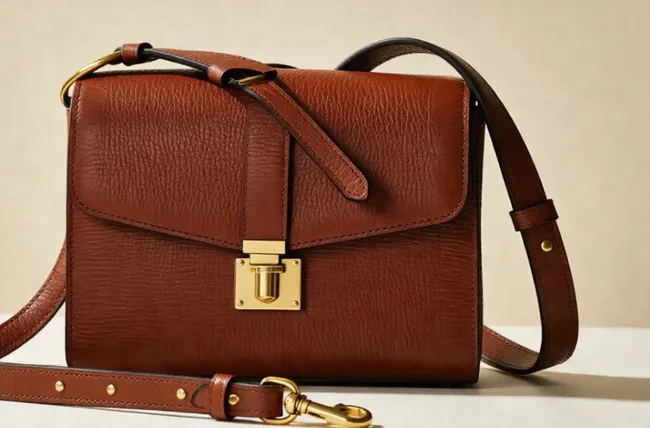
Yes, bags made of apple leather material are a good choice! They have many advantages, but like any material, when using them, some trade-off factors need to be considered.
The Advantages of the Apple Leather Bag
Unparalleled Sustainability and Ethics
The greatest appeal lies in the fact that apple leather is made from food waste (apple peels/fruit pulp) during the production process of apple juice/apple wine. This not only avoids the waste entering landfills but also reduces the carbon footprint of leather products (no animal farming, and the resource usage is less than that of genuine leather).
Most commercial versions are vegan/without cruelty, and the high-end biobased variants can partially or completely degrade at the end of their lifespan – making them highly suitable for environmentally-conscious consumers who wish their fashion products align with sustainable values.
Lightweight
Leather made from apple peels is usually lighter than genuine leather. Therefore, bags made from this type of leather are more portable and are particularly suitable for daily use.
Durable
The high-quality apple leather material is designed to be durable and resistant to wear and tear. Although it may not be as sturdy and durable as genuine leather, with proper maintenance, it can withstand years of daily wear and use.
It also has certain anti-cracking and anti-hardening properties, effectively preventing the cracking and hardening that may occur in synthetic leather.
Suitable for Vegetarians
As a plant-based material, leather made from apple leather is an ideal choice for those who wish to avoid using animal products. Moreover, this type of leather does not contain the chemicals used in the tanning process of genuine leather.
High-quality Aesthetics and Soft Texture
The apple leather material mimics the appearance and touch of genuine leather (smooth corrugated lines, suede or sand-grain patterns), featuring a soft and elastic surface. It offers a variety of surface treatments and textures, enabling the creation of a fashionable appearance. It can present the texture of traditional leather while providing a luxurious visual effect, and it does not require the use of animal products.
Low-maintenance Basic Care
Unlike the exquisite genuine sheepskin or reed leather, applewood leather bags only require simple maintenance: wipe the surface of dust or stains with a damp microfiber cloth (lightly pat, do not rub hard), avoid using irritating cleaners, and store them in a dust bag. Some styles made with polyurethane blended materials (the mainstream commercial option) have a protective coating that can resist minor stains and water splashes – no need for specialized care products (such as leather conditioner), so they are very suitable for daily light use.
Fashionable and in Line with the Trend, Suitable for Casual Use
The apple leather is a common material in sustainable fashion, so these bags perfectly match modern casual, bohemian or minimalist styles. They are very suitable for weekend outings, breakfasts, daily affairs or light travels – the smaller apple leather bags can add a touch of luxury without being as heavy as genuine leather, and they are also a great showcase for environmentally-conscious fashion enthusiasts.
The Disadvantages of the Apple Leather Bag
Its durability is lower than that of genuine leather:
Although the apple leather material is sturdy and durable, its lifespan may not be as long as that of genuine leather, especially in harsh environments. If exposed to high temperatures, humidity, or intense friction for a long time, it will start to show signs of wear and tear.
Apple leather has medium durability (not suitable for high-intensity use), even for the highest-quality polyurethane blended apple leather bags, their lifespan is only 1 to 3 years (3 to 5 years under light use) – much shorter than full-grain cowhide (5 to 10 years or more) or high-quality synthetic polyurethane leather (4 to 6 years). They are prone to wear, minor tears, and deformation due to heavy loads (such as laptops, textbooks) or frequent friction (such as the shoulder strap rubbing against clothing). The biobased compostable version has even lower durability (up to 1 to 2 years).
Sensitivity to Extreme Conditions
Apple leather is susceptible to damage from prolonged direct sunlight (causing fading and brittle fibers), high temperatures (such as in hot cars or radiators – which may cause adhesives to melt), and excessive moisture (uncoated versions will deform; even coated versions can only resist a small amount of splashing water and cannot withstand heavy rain). It is more prone to scratches than genuine cowhide or thick synthetic leather, and deep scratches are difficult to repair (unlike leather, it cannot be repaired by sanding or repainting the surface).
Limited Long-term Practicality
Unlike genuine leather (which develops a luster and ages gracefully), apple leather deteriorates over time – its surface coating may peel off, the strength of the fiber binder may weaken, and it may become stiff or change color. It does not have the characteristic of “high durability”, so it is a fashionable but one-time-use sustainable option, rather than an item for long-term investment (unlike high-quality leather bags).
As Time Goes by, the Appearance Will Change
Some users have reported that the apple leather material may lose its original luster over time, especially if it is not properly maintained. This material tends to show a “used” appearance more easily than genuine leather, and over time, it will develop a natural aging mark.
The Trade-off Between Price and Value
The price of an apple leather bag is sometimes similar to or even higher than that of traditional leather bags, depending on the brand and craftsmanship level. However, given that this is an environmentally friendly alternative, some people consider this price to be reasonable.
The price of an apple leather bag is usually similar to that of mid-range imitation leather bags or entry-level genuine leather bags (for example, between $50 and over $300), but its shorter lifespan means that the value per use is lower than that of durable cowhide or high-quality synthetic leather bags. At the same price, a genuine leather bag with high-quality suede or a high-quality polyurethane bag would have a lifespan that is two to three times longer.
Summary of the Core Features of the Apple Leather Bag
| Aspect | Performance |
| Eco-Friendliness | Excellent – Made from apple waste from the juice industry, representing resource recycling. |
| Appearance & Texture | Good – Typically fine and smooth, similar to calfskin, offering decent texture. |
| Durability & Lifespan | Average, requires careful maintenance – Not as durable as top-tier genuine leather. With proper care and use, lifespan is approximately 2 to 5 years. |
| Maintenance Difficulty | Relatively High – The surface is relatively delicate, prone to scratches. Avoid prolonged sun exposure, rain, and friction with sharp objects. |
| Price | Mid to High – As an emerging eco-material, it’s usually positioned in the mid-to-high-end market. |
Comparison with Others Materials
| Material Type | Eco-Friendliness | Durability | Price Range | Best Use Case |
| Apple Leather | ★★★★☆ | ★★★☆☆ | Mid-range | Daily commute, casual wear |
| Genuine Leather | ★★☆☆☆ | ★★★★★ | Mid to high | Long-term, formal occasions |
| Ordinary PU Leather | ★☆☆☆☆ | ★★☆☆☆ | Low | Short-term, fast fashion |
| Recycled Materials | ★★★★★ | ★★★☆☆ | Mid-range | Eco-priority, light use |
Which groups of people are suitable for (and which groups should avoid using) the apple leather bag?
✅ Suitable groups:
Consumers who are environmentally conscious/vegan and value sustainability/environmental performance over long-term durability.
Anyone who wants a stylish, lightweight casual bag for light use (weekend outings, daily shopping, short trips).
Fashion enthusiasts who update their bag styles every 1 to 3 years (keep up with the trend, and don’t worry about disposal methods and environmental issues when using the compostable version).
❌ Avoided groups:
People who need a heavy-duty bag for daily commuting (for carrying laptops, books or heavy items).
Regular travelers or those who use the bag in harsh conditions (rainy days, sun exposure, dusty environments).
Buyers seeking long-term investment products (real cowhide or high-quality synthetic leather products are better choices).
People with tight budgets (basic polyurethane imitation leather bags are cheaper and more durable).
Purchase and Usage Suggestions
Selection Points:
- Check the composition ratio: Opt for products with a high content of apple fibers (40% or more is preferable)
- Inspect the workmanship: Check if the stitching is secure, if the handles are reinforced, and if the corners are finely finished
- Brand Reputation: Choose brands with environmental certifications and transparent supply chains
- Actual Touch: Avoid products with a too “plastic-like” feel. The surface should have an appropriate degree of softness
Usage Suggestions:
- Avoid carrying heavy items (items weighing more than 2kg may accelerate wear)
- Dry thoroughly after using in rainy weather
- Clean regularly with a soft cloth, avoiding chemical cleaners
- Store when not in use by filling with support materials
Conclusion
The apple leather bag is a sustainable vegan alternative, suitable for those who pursue fashion and update their bags every 1-3 years, and use them only lightly. The core value is to integrate the concept of sustainability into daily accessories.
If you are running your own bag brand and your brand is positioned as lightweight and focused on fashion, then apple leather is a material worth choosing for making bags.
If you want to customize a large number of vegan leather bags, please feel free to contact us to discuss the details.