
Among high-end leather bags, there are many materials with extremely excellent properties, but their usability is often limited due to various factors, such as mink fur.
Mink fur is the natural fur obtained from minks, renowned for its extreme softness, density, and lustrous texture, and is hailed as the “King of Fur”.
However, the ethical use of mink fur has fundamentally conflicted with modern social values. It is gradually transforming from a universally recognized luxury item to a highly controversial and increasingly limited niche material.
This post will explore the properties, legality, and morality of mink fur, as well as the advantages and disadvantages of using it to manufacture bags.
What Is Mink Fur?
Mink fur is a luxurious and highly esteemed natural fur material. It is made from the soft, lightweight, dense and luxurious fur of the mink (a semi-aquatic mammal belonging to the genus Minkus, with the main species being the Wesson mink). Due to its unique properties, it is highly regarded in the fashion industry and has been a symbol of luxury for hundreds of years. It has long been used to make high-end clothing and bags, etc.
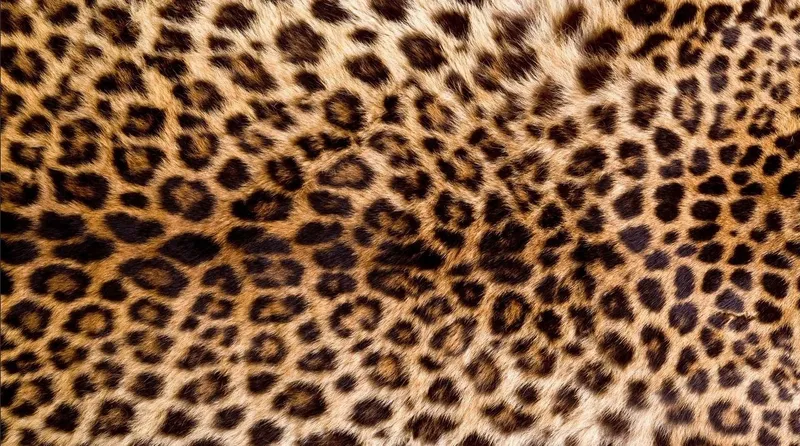
Core Features: Why Is It So Popular?
- Unparalleled softness: The fur of sable is renowned for its extremely soft texture. Each hair is extremely fine and feels very smooth when touched.
- Light as a feather: Despite its luxurious and fluffy appearance, mink fur is actually very lightweight and comfortable to wear without any burden.
- Long-lasting durability: High-quality mink fur is very durable. With proper maintenance, it can be used for several decades, which is one of the reasons why it becomes an investment-grade item.
- Diverse natural colors: Besides the most classic dark brown, through selective breeding, modern farms can produce over 60 natural colors ranging from pure white, beige, blue-gray to black, such as violet, sapphire, etc.
Summary of Core Characteristics
| Characteristic | Performance | Scientific Principle |
| Underfur Density | 15,000–20,000 hairs/cm² | Adaptation to cold water environments, double-layer coat structure |
| Insulation | CLO value 2.5–3.0, 3× better than wool | Air layer between underfur insulates, waterproof guard hair blocks wind |
| Luster | Silk-like softness, color shifts with light flow | Fine hair scale structure creates uniform light refraction |
| Lightweight | Whole garment 500g–1.5kg | Hollow hair medulla, low density |
| Flexibility | Can bend 360° without stiffness | Thin yet tough skin, remains soft after tanning |
| Durability | 10–20 years with normal care | High hair fiber strength, resistant to breakage |
Main Varieties and Origins
| Variety | Characteristics | Main Origin | Market Position |
| Standard Mink | Natural dark brown, price benchmark | USA, Canada | Entry-level |
| Pastel Mink | Light gold, silver-blue, pearl tones | Denmark, Finland | Mid-to-high-end |
| White Mink | Pure white, dyed or natural | Denmark, China | High-end, bridal/evening wear |
| Blackglama | Deep black shine, American legendary breed | USA | Top-tier, “Blackglama” trademark |
| Scanblack | Nordic deep black, higher density | Denmark, Finland | Top-tier, competes with Blackglama |
| Mahogany Mink | Red-brown tone, vintage style | USA, China | Classic, mature market |
| Violet Mink | Genetic mutation gray-purple tone | Laboratory-bred, extremely rare | Collector’s grade, auction items |
What Is Mink Fur Used For?
Mink fur is highly regarded for its softness, warmth and luxurious appearance, and thus is widely popular in numerous industries and application fields.
Fashion and Clothing
Mink fur, due to its elegant appearance and diverse uses, is commonly used as a material for high-end fashion. Its common applications include:
- Coats and Jackets: Full-length mink fur coats are a symbol of luxury, usually meticulously tailored to fit the body shape and featuring a draping design to create a graceful silhouette.
- Vests and Shawls: Lightweight mink fur vests or shawls can add an elegant touch to an outfit without appearing bulky like full coats.
- Handbags and Wallets: Used for making high-end fur handbags and wallets, adding luxurious elements.
- Decorative Elements: As decorative accents for clothing, such as cuffs or skirt hem decorations, enhancing the overall design sense.
Additions:
- Hats and Headbands: Mink fur decorations on hats or standalone mink headbands can both keep you warm and add a touch of fashion.
- Gloves and Scarves: Mink fur-lined gloves are both practical and fashionable in cold weather.
- Scarves and Shawls: Mink fur scarves or shawls add a touch of luxury to any outfit.
- Boot Decorations: Mink fur cuffs or collars on boots can enhance the design effect.
Home Decoration and Luxury Items
Mink fur is used to add luxurious elements to interior design and decorations:
- Throw pillows and blankets: Mink fur blankets or pillow covers can create a warm and elegant atmosphere in the living space.
- Quilts and bed covers: Mink fur blankets are relatively rare as bedding items, but they are favored for their warmth and comfort.
- Decorative accents: Small items such as framed pictures with mink fur decorations, lampshades, and even holiday decorations can showcase the aesthetic appeal of mink fur.
Application in Craftsmanship and Art
- Specimen Making and Display: Occasionally, sable fur is used for specimen creation, for making lifelike animal models or for decorative display purposes.
- Artistic Creation: Artists may incorporate sable fur into sculptures, installation art, or mixed-media works to take advantage of its unique texture and visual appeal.
Traditional and Cultural Uses
- Ritual Clothing: In some cultures, mink fur is used to make traditional clothing or ceremonial attire, to demonstrate status or to preserve family history.
- Family heirloom items: Due to its durability, mink fur is often passed down from generation to generation and becomes a precious family collection.
Modern Alternatives and Ethical Considerations
Although genuine mink fur is still very popular, the growing concern for animal welfare and sustainability has led to the emergence of alternatives:
- Artificial mink fur: This high-quality artificial fur can imitate the appearance and texture of mink fur without harming animals. It is widely used in the fashion and home decoration industries.
- Reusing mink fur: Some designers will transform old mink coats or accessories into new items, thereby reducing waste.
Summary of the Used of Mink Fur
| Category of Use | Specific Products | Brief Description |
| Apparel & Fashion | Coats, jackets, vests, shawls, scarves, hats | As its core use, mink fur is made into various luxurious clothing items due to its extremely soft, lightweight, and warm properties. |
| Accessory Embellishment | Decorative pompoms, keychains, bag decorations, shoe/boot trim, glove trim, hat toggles | Utilizing the luxurious feel of mink fur, it is used to adorn various accessories, adding a touch of sophistication and warmth. |
| Home Décor | Blankets, cushions, bedspreads, sofa throws, rugs | Mink fur is also used to create luxurious home furnishings, adding warmth and an elegant ambiance to interior spaces. |
| By-product Utilization | Mink oil (for leather care, cosmetics), pet food, organic fertilizer, industrial materials (e.g., paint, tires), crab bait | While obtaining the main product, mink meat, fat, and bones are also processed into various by-products to achieve full resource utilization and minimize waste. |
Is Mink Fur Legal?
The legality of fur from minks is a dynamic and regionally varying issue worldwide. In simple terms, in most countries and regions, the breeding and sale of mink fur is currently legal, but it is being increasingly challenged by stricter laws and bans.
The production and sale of mink fur is facing increasingly strict legal challenges worldwide.
Regions Where Mink Fur Can Be Legally Sold (With Restrictions)
United States (most states):
Federal-level mink farming and fur sales are still legal, but in several states they have been banned:
California (banned fur sales since 2019; full implementation to start in 2023)
Hawaii, New York City, Los Angeles, San Francisco, etc. have implemented local bans on retail mink fur sales (including mink fur) (including prohibition of sales)
Farming is banned in California, Washington State, Oregon, and Colorado (to be phased out from 2025 to 2027).
Canada:
Legal for mink fur farming and sales, but public pressure is increasing.
China, Poland, Denmark, Finland:
It is one of the largest producers of mink in the world; farming and trade are still legal (but Denmark temporarily slaughtered millions of mink due to virus concerns in 2020).
Regions Where Mink Fur Is Illegal or Prohibited for Sale
Mink Farm Ban:
- UK: Prohibited since 2000 (England and Wales), since 2002 (Scotland).
- Austria, the Netherlands, Luxembourg, Norway, Belgium, the Czech Republic, Slovenia: Complete ban on mink farming.
- France: Gradually phase out mink farming by 2026.
- Ireland: Has passed a ban (in implementation).
- Germany: Due to strict animal welfare regulations, it is effectively prohibited.
Mink fur sales ban:
- Israel: The first country to completely ban the import and sale of all fur products (2021), with exceptions for religious use.
- Several cities/states in the United States: As mentioned above, the retail sales of new fur products (including mink coats, decorations, etc.) have been prohibited.
- Note: Even within the legal framework, many large fashion brands (such as Gucci, Prada, Burberry, Canadian Goose) have voluntarily stopped using fur, so mink products in the mainstream retail market have become increasingly rare.
Summary of the Legality of Mink Fur
| Country/Region | Current Legal Status | Key Developments & Future Trends |
| United States | Banned in some states; a nationwide ban is being pushed at the federal level. | • Washington State: Has legislated to ban mink farming and fur product manufacturing starting January 1, 2026, and provides transition assistance for farmers. • Federal Proposal: Bipartisan bills like the Mink VIRUS Act have been introduced in Congress, proposing to ban mink farming nationwide within one year and compensate farmers. |
| European Union | A major turning point is imminent; a key step towards a comprehensive ban has been taken. | • Invasive Species Regulation: The EU has officially listed the American mink as an invasive alien species, requiring member states to ban its farming, breeding, and sale starting August 2027. • Comprehensive Ban Assessment: Driven by a petition from 1.5 million citizens, the EU is assessing whether to introduce a comprehensive ban by March 2026, closing all fur farms. |
| United Kingdom | Legislated ban in place | Banned fur farming as early as 2000. |
| Other European Countries | Multiple countries have legislated bans | 22 European countries (including 16 EU member states) have banned fur farming, such as Ireland, Estonia, Latvia, etc. Farming activities still exist in countries like Finland, Spain, Greece, and Poland, but face dual pressures from legislation and the market. |
Complete Ban (Farming + Sales)
| Country/Region | Effective Date | Legal Content | Background |
| United Kingdom | 2003 | Banned fur farming (last farms closed 2000) | Pioneer of animal welfare movement |
| Austria | 2004 | Banned fur farming | Green Party-led policy |
| Croatia | 2007 | Banned fur farming | Pre-EU accession harmonization |
| Slovenia | 2013 | Banned fur farming | Animal rights pressure |
| Macedonia | 2014 | Banned fur farming | Regional trend following |
| Czech Republic | 2019 | Banned fur farming (transition to 2025) | 75%+ public support rate |
| Luxembourg | 2018 | Banned fur farming | Small state policy agility |
| Serbia | 2018 | Banned fur farming | EU accession preparation |
| Belgium | 2023 | Banned fur farming (last farms closed) | Wallonia 2018, Flanders 2023 |
| Netherlands | 2024 | Banned fur farming (2013 legislation, transition ended) | World’s fourth-largest producer voluntarily exited |
| Denmark | 2023 | Banned fur farming (post-COVID culling legislation) | Formerly 40% of global production |
| Norway | 2025 | Banned fur farming (2018 legislation, transition ended) | Animal welfare party pressure |
| France | 2025 | Banned fur farming (2021 legislation, transition ended) | Last 14 farms closed |
| Estonia | 2026 | Banned fur farming (2021 legislation) | Baltic regional trend |
| Spain (Catalonia) | 2013 | Regional ban on fur farming | Other Spanish regions remain legal |
Is Mink Fur Ethical
Mink fur is highly controversial from an ethical perspective. Although its legality is protected by legal frameworks, mainstream animal protection organizations and modern ethical fashion views consider it immoral. However, the traditional fur industry emphasizes its compliance and sustainability. Nevertheless, environmental impacts and the development of alternative technologies are driving the industry towards a more sustainable direction.
Animal Welfare Controversy: Core Ethical Contradiction
Livestock Housing Issues
Minks are often kept in small wire cages for a long time, which makes them prone to self-harming behaviors (such as biting their tails or circling). International animal protection organizations have repeatedly exposed such cases. For instance, a Swedish poll showed that 80% of the public supported banning the cage-rearing of foxes. Countries like Austria and the UK have passed legislation to prohibit the breeding of fur animals.
Method of Culling Controversy
To maintain the integrity of the fur, livestock farms often use toxic gases (such as CO₂) or electric shocks to kill foxes, a process that is painful. Although international standards strictly prohibit the live removal of fur, illegal acts still occur from time to time, triggering ethical condemnation.
Ecological Risks
Escaped farmed foxes invading Europe have endangered the native European foxes and disrupted the ecological balance.
Environmental Impact: Sustainability Challenges
Chemical Pollution
The processing of mink fur requires the use of chemicals such as formaldehyde for degreasing and cleaning, which may pollute the surrounding water quality. Although modern environmental control measures have reduced the discharge of harmful wastewater, animal protection organizations still question their long-term effects.
Resource Consumption
The breeding of minks requires a large amount of fish and meat processing by-products. However, if the feces and debris are not handled properly, they may exacerbate the environmental burden. In contrast, plant-based leather (such as pineapple leaves, mycelium) and artificial fur technologies are gradually reducing their reliance on animal resources.
Alternative Solutions: Technological Progress and Ethical Consumption Trends
Artificial Fur Technology
The imitation mink fur fabric can simulate the texture and warmth of natural fur, and is cheaper (with a price of around 100 Dollars, one can obtain a similar appearance and 80% of the warmth). For example, at the autumn-winter fashion week in 2024-2025, waterflea fur elements were widely used in coats, dresses and accessories, but 90% of the luxury fur products were only used for decorative borders, and the functional demand decreased.
The Rise of Plant Leather
Environmental-friendly materials such as pineapple leaves (Piñatex) and mycelium (Mylo) have gradually entered the market, reducing carbon emissions and animal harm. For instance, the laboratory-grown fur developed by Saga Furs in Denmark does not require slaughtering animals, and carbon emissions are reduced by 92%.
Second-hand Fur and Recycling Programs
Some brands have launched “fur recycling programs” to extend the product lifecycle and reduce resource waste.
Comparison of Core Ethical Controversies
| Dimension | Opposing the Mink Fur Industry (Based on Scientific Research) | Supporting the Mink Fur Industry (Industry Viewpoint) |
| Animal Welfare | Caged systems cannot meet the basic behavioral needs of animals, causing severe physical and psychological suffering. | The industry has strict welfare standards and third-party oversight, continuously improving farming practices. |
| Environmental Impact | Farming causes significant environmental pollution (ammonia emissions, water pollution); escaped farmed minks harm local ecosystems. | Farmed minks utilize by-products from the food industry; their manure and bodies can be processed into organic fertilizer, creating a “sustainable” cycle. |
| Economic & Social | The industry is persistently loss-making, relies on public subsidies, and its environmental and health costs far outweigh its minimal economic contribution. | It provides employment in rural areas and is part of traditional crafts and culture. |
Counterarguments (and Rebuttals)
| Industry Claim | Reality |
| “Fur is natural and biodegradable.” | True—but so are many ethical materials (e.g., organic cotton, wool). Natural ≠ ethical if obtained through suffering. |
| “Farming is regulated.” | Regulations vary widely and are poorly enforced. Even in the EU, cage systems cause severe distress. |
| “It supports rural jobs.” | Transitioning workers to sustainable industries (e.g., plant-based textiles) is more future-proof and humane. |
Ethical Decision Framework: Key Considerations
To assess the ethicality of mink fur, the following dimensions can be considered comprehensively:
- Necessity: Is it essential for survival? (Fur is not a necessity in temperate regions)
- Alternatives: Are there non-harmful alternatives available? (Modern faux fur technology is mature)
- Transparency: Is the supply chain fully traceable? Can animal welfare standards be verified?
- Systemic Impact: Does it support industry transformation rather than maintaining the status quo?
Is Mink Fur Warm?
Mink fur exhibits excellent insulation properties. Its natural structure makes it an efficient insulation material in cold environments, but the specific effect is influenced by the breed, processing method and usage method.
Natural Thermal Insulation Mechanism: Structural Advantage
Double-layer Hair Structure
Coat fur consists of guard hairs (outer coarse and stiff hairs) and underfur (inner fine and soft hairs):
- Guard hairs: Waterproof and windproof, blocking cold air and moisture from the outside.
- Underfur: Extremely dense (about 20,000 hairs per square centimeter), forming a stationary air layer that effectively retains body heat.
Low Thermal Conductivity
The thermal conductivity of natural fur is extremely low (about 0.025 – 0.03 W/m·K), much lower than synthetic fibers (such as polyester fibers at approximately 0.04 W/m·K), reducing heat loss.
Balanced Breathability
Coat fur allows for skin breathing, avoiding a stuffy feeling, and is suitable for dynamic insulation (such as the balance of body heat production and heat dissipation during outdoor activities).
Actual Warmth Retention Effect: Data Support
Cold Resistance Capability
- Laboratory test: In an environment of -20℃, the inner layer temperature of the mink fur coat can be maintained at 10-15℃, and its warmth retention performance is superior to that of a down jacket (the inner layer temperature of a down jacket under the same thickness is approximately 5-8℃).
- Application in extreme environments: The Arctic research team once used mink fur-lined protective clothing, and they could work continuously for more than 4 hours at -40℃.
Lightweight Advantage
Weight comparison: A mid-length mink fur coat (about 1.5kg) has the same warmth retention effect as a 3kg down jacket, making it suitable for scenarios requiring flexible movement. Durability
Natural hair does not tend to clump. With proper maintenance (such as regular ventilation and avoiding moisture), it can be used for over 10 years and maintains its warmth retention for a long time.
Key Factors Affecting Warmth Retention
Variety Differences
- North American mink: Their fur is finer (with a diameter of approximately 12-14 micrometers), and they have better warmth retention than European mink (whose fur has a diameter of approximately 16-18 micrometers).
- Seasonal differences: The fur of waterfleas in winter is thicker, and they have better warmth retention than those in spring.
Processing Technology
- Tanning method: The traditional tanning method retains the natural oils of the hair, enhancing flexibility and warmth retention; the modern chrome tanning method may damage some hair structures, and post-treatment is required to restore them.
- Hair clipping treatment: Some lightweight mink fur have their long hairs clipped to reduce weight, but this sacrifices some warmth retention.
Usage Method
- Close-fitting wear: When in direct contact with the fur, it provides the best insulation (utilizing body heat to activate the air layer of the hair).
- Layering: As an outer layer, it should be paired with inner warm clothing (such as a sweater) to achieve the best effect.
Warmth Comparison with Other Materials
| Material | Clo Value | Wet-State Performance | Weight | Applicable Scenarios | Shortcomings |
| Mink Fur | 2.5–3.0 | ★★★★★ (80% retention) | Medium (500g–1.5kg) | Extreme cold, dampness, formal occasions | Ethical controversy, cost |
| Down Jacket (800FP) | 1.5–2.0 | ★★☆☆☆ (30% collapse) | Light (300–800g) | Dry cold, outdoor sports | Water-sensitive, compression failure |
| Wool (Merino) | 0.8–1.0 | ★★★☆☆ (60% retention) | Medium (400–1,000g) | Daily commute, layering | Heavy, prone to moth damage |
| Cashmere | 1.0–1.5 | ★★★☆☆ (50% retention) | Light (200–600g) | Premium daily, gifts | Fragile, difficult care |
| Synthetic Insulation (Primaloft) | 0.8–1.2 | ★★★★☆ (70% retention) | Light (200–500g) | Sports, machine-wash needs | Short lifespan, microplastics |
| Shearling | 2.0–2.5 | ★★★★☆ (75% retention) | Heavy (1–2kg) | Motorcycle, vintage style | Bulky, style-limited |
Is Mink Fur Good for Making Bag?
Using mink fur to make bags can be described as trading the ultimate luxurious texture for the convenience of daily use. It may not be suitable for everyone, but if you are in search of an astonishing visual effect, it is truly irreplaceable.
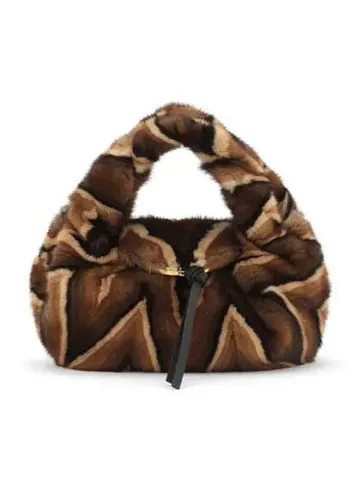
The Advantages of Making Handbags with Mink Fur:
- Luxurious appearance: The fur is soft, smooth and shiny. Bags made from it look upscale and elegant.
- Soft texture: It has a comfortable feel and offers a luxurious touch that cannot be matched by leather or synthetic materials.
- Lightweight: Compared to some leathers, mink fur is relatively lightweight, making this bag easier to carry.
The Disadvantages of Making Bags with Mink Fur:
- Durability: Mink fur is relatively fragile. It is more prone to shedding, clumping, and wear due to friction. Since handbags are items that come into frequent contact, mink fur handbags may wear out faster than leather or canvas handbags.
- Maintenance instructions: Fur requires proper storage to avoid moisture and sometimes professional cleaning is necessary to maintain its good appearance.
- High cost: True mink fur is much more expensive than artificial fur or leather, so it is only suitable for high-end products. Consumers should consider both its aesthetic appeal and its high price when making a decision.
- Ethical considerations: Some people avoid using fur products for moral reasons, which may affect the resale value of the product or personal choices.
- Low sustainability: Fur farming has a significant impact on the environment, including water pollution caused by waste and the occupation of land for feed crops. Although artificial fur is not perfect, if it is made from recycled materials, its carbon footprint is usually lower. Mink fur = beautiful luxury detail, but not a good main material for everyday bags.
- Another approach: Many high-end designers will use fur decorations or fur panels instead of using the entire handbag as a mink product. This way, it can maintain its appearance while also enhancing its durability.
Compares the Core Pros and Cons of Using Mink Fur for Bags
| Feature Dimension | Rating | Explanation |
| Visual & Tactile Appeal | ★★★★★ (Excellent) | Possesses a natural, soft luster and an extremely soft texture. It carries a luxurious, vintage, high-end feel with strong visual impact. |
| Durability | ★★★☆☆ (Medium) | It is sturdy, but in a “delicate” way. Daily friction can easily cause the nap to wear off or become flattened. It is not as tough as canvas or thick leather. |
| Care Difficulty | ★☆☆☆☆ (High) | Very high-maintenance. Afraid of water, oil, sun exposure, and compression. Cleaning requires professional care; washing it yourself will damage the fur and skin. |
| Everyday Practicality | ★★☆☆☆ (Relatively Low) | More suitable for autumn/winter seasons or dry, cold climates. Requires extra caution in scenarios like rainy days or daily commuting. |
Applicable Scenarios and Alternatives for Waterfowl Fur Leather Bags
Recommended Scenarios
- High-end Custom Handbags: Suitable for short-term use in low-temperature environments such as formal events and red carpet occasions, highlighting luxury.
- Seasonal Accessory Bags: As a winter-exclusive item, paired with a coat to enhance the overall warmth synergy of the overall look.
- Collectible Artworks: If using Furmark® certified humane-farmed leather, it can be targeted at high-net-worth collectors, emphasizing craftsmanship heritage.
Not Recommended Scenarios
- Daily Commuting Bags: Due to insufficient durability, they are prone to damage in subway and office environments.
- Multi-functional Large Capacity Bags: The lightweight advantage of waterfowl fur leather is offset by the structural support requirements in large bags.
- Fast Fashion Products: Contradicts the long-term usage concept of waterfowl fur leather and is prone to exacerbating ethical controversies.
Innovative Alternatives
- Faux Fur Technology: In Jiangsu, China, a faux fur manufacturing cluster has been formed, with an environmental performance improvement of 30% and a cost of only 1/5 of genuine fur, and it simulates the static air layer structure of mink fur through biobased materials.
- Mixed Design: Such as mink fur inner lining + eco-friendly leather outer layer, balancing warmth and durability.
- Second-hand Recycling Model: Encourages vintage mink fur bags for renovation to extend their lifespan and align with sustainable fashion trends.
Conclusion
Mink fur is a material with unparalleled performance but also highly controversial. It represents the ultimate natural luxury in terms of physical properties, but is facing unprecedented pressure in terms of ethics and regulations. For consumers, choosing mink fur means having to confront and weigh the animal welfare, ecological impact, and rapidly changing legal risks involved in the pursuit of the ultimate warmth and luxury.
Meanwhile, the technology for artificial mink fur has rapidly evolved, approaching the appearance and texture of natural materials, and offering advantages such as low price, easy maintenance, and no ethical controversy. It has gradually become the mainstream alternative in the market.
If you are running your own bag business and want to customize a bulk of mink fur bags, please feel free to contact us to discuss the details.