
Plant-based leather is a sustainable material made from plant-based raw materials (such as residues, leaves, and mycelium), aiming to replace animal leather and petroleum-based PU leather. It is not a single material but a diverse family encompassing various technological paths: upgrading and reshaping of agricultural waste (apple, pineapple, grape leather), fast-growing plant fiber type (cactus, cork leather), and bio-cultured type (mushroom, kombucha leather).
The core advantage of plant-based leather lies in its environmental and ethical value. It not only realizes the recycling of agricultural waste but also significantly reduces carbon emissions and water pollution caused by traditional animal husbandry and petrochemical materials, while avoiding toxic chemicals used in the tanning process of animal leather, fully conforming to the principles of veganism and animal friendliness.
If your bag brand positioning is environmentally sustainable, plant-based leather is highly suitable for your brand.
- What Is Plant Based Leather?
- How to Make Plant Based Leather?
- Is Plant Based Leather Durable?
- Is Plant Based Leather Biodegradable?
- Is Plant Based Leather Sustainable?
- Behind the "Plant" Label: Advantages and Traps
- How to Assess Its Sustainability?
- Where It Excels Environmentally
- Sustainability Caveats and Trade-Offs
- Lifecycle Comparison
- Sustainability Performance of Key Materials
- Plant-Based vs. Animal vs. Petro-Vegan: Three Dimensions of Sustainability
- Authoritative Certification: Who Is Endorsing?
- Plant-Based Internal Sustainable Echelon (from Green to drift)
- The 4 Sustainable Weaknesses of Plant-based
- Top Coating Is a Sustainability Loophole
- How to Evaluate True Sustainability
- Is Plant Based Leather Good for Making Bags?
- Performance of Plant-Based Leather in Bag Manufacturing
- Plant-Based Leather for Bags – Pros and Cons
- Bag Suitability of Different Plant‑Based Leathers
- Quality Matters Enormously
- Comparison to Alternatives for Bags
- How Brands Actually Use Them (Real Case References)
- Market Applications and Brand Cases
- Important Considerations When Choosing Plant-Based Leather Bags
- Maintenance and Usage Tips
- Conclusion
What Is Plant Based Leather?
Plant-Based Leather refers to a sustainable material made from natural plant-based raw materials and processed using modern techniques. It aims to replace traditional animal leather and petroleum-based synthetic leathers (PU/PVC). It is a rapidly growing subcategory within the category of pure vegan leather.
Definition and Core Principles
Plant-based leather is a non-animal-derived bio-material made from plant waste. Through biotechnological means, it mimics the collagen fiber network structure of animal leather to achieve similar texture, strength, and appearance. It is not the traditional “plant tanned leather” (using plant tannic acid to treat animal skins), but rather completely bypasses animal farming and uses agricultural by-products (such as pineapple leaves, apple pomace, cactus) or mycelium (such as mushrooms) to reconstruct the fiber network, providing a zero-cruel and low-environmental-footprint alternative.
Core Definition & Classification
| Type | Raw Material Source | Representative Materials | Key Features |
| Agricultural waste upcycling | By-products or waste from the food industry | Apple leather (AppleSkin), Grape leather, Pineapple leather (Piñatex®) | Turns waste into value; reduces agricultural waste |
| Fast growing plant fibres | Plants cultivated for rapid growth | Cactus leather (Desserto®), Cork leather, Hemp leather | Sustainably grown; low carbon footprint |
| Bio cultivated | Produced through microbial fermentation or mycelium cultivation | Mushroom leather (Mylo™), Kombucha leather | Zero animal components; fully biodegradable |
Advantages & Limitations of Plant‑Based Leather
| Dimension | ✅ Pros | ❌ Cons |
| Environmental impact | Reduces reliance on animal leather and petrochemicals; some materials are biodegradable | Not all plant-based leathers are 100% biodegradable (often blended with plastics like PU) |
| Animal welfare | Vegan, cruelty-free | – |
| Feel & performance | Texture close to genuine leather; breathability better than PU | Some materials still lag behind traditional leather in durability and tear strength |
| Sustainability | Uses agricultural waste; low carbon emissions | Large-scale production still in development; costs relatively high |
Plant-Based Leather vs. Traditional Leather vs. PU Leather
| Dimension | Plant-Based Leather | Traditional Animal Leather | PU Synthetic Leather (vegan but not eco-friendly) |
| Raw material | Plants (waste, fast-growing crops, mycelium) | Animal hides (cow, sheep, etc.) | Petroleum-based plastics |
| Biodegradability | Some fully biodegradable, others partially | Non-biodegradable (decades) | Non-biodegradable |
| Carbon footprint | Relatively low (process-dependent) | High (livestock + tanning) | Medium to high (petrochemicals) |
| Vegan | ✅ Yes | ❌ No | ✅ Yes |
| Durability | Catching up – some reach 3–10 years | 10–20+ years | 2–5 years |
| Price | Medium to high (emerging tech) | Low to extremely high | Low to medium |
Key Distinction: Plant-Based ≠ 100% Natural
When purchasing, be aware that many so-called “plant-based” leathers (such as apple leather and grape leather) are often mixed with 30-50% polymers like PU or PLA to achieve durability. Therefore, they are not 100% pure natural or completely biodegradable.
The completely natural plant-based leathers are kombucha leather and cork leather, but they still have challenges in terms of water resistance and durability.
The Three Marketing Traps of “Plant-Based”
The most confusing aspect of this category is “feels green but may not be” –
Trap 1: Plant-based ≠ Biodegradable
The majority of commercially available plant-based leather = plant filler 20–40% + petroleum PU + rPET backing. The plant component is merely “decorative filler”, and both the PU and polyester backing do not biodegrade. Only a few are truly compostable (Bananatex basic version, pure SCOBY, some Mylo), and it depends on the top coating.
Trap 2: Bio-Based % Is a Number Game
The brand claims “60% bio-based” – this refers to the weight ratio of the entire sheet, not the “plant ratio”. “Bio-based” may include bio-based PU (from corn), PLA backing, and is not solely composed of plant fillers. Apple leather often says “50% remaining from apples” referring to the source of the fillers, not 50% of the sheet.
Trap 3: Plant-Based ≠ Better Than Real Leather
The “breathing + self-healing + getting more supple with use” feature of collagen cannot be replicated by plant fibers and resins. Plant-based materials generally have:
Low water resistance (softens when exposed to rain/hand sweat)
Chalking/ coating cracking (after 2-3 years)
Can not be “aged” like full-grain leather
Market Applications and Brand Practices
Global luxury and fast-fashion brands have widely adopted:
- Gucci, H&M, Stella McCartney have launched Mylo™ or Piñatex® handbags
- Desserto® has been included in the research and development cooperation list by Hermès and Chanel
Although there are no leading enterprises in Guangdong, China, the supply chain sector has already participated in OEM production. For instance, some export-oriented footwear brands use plant-based leather fabrics.
How to Make Plant Based Leather?
Plant leather encompasses several mainstream types (cactus, pineapple, grape, mushroom mycelium). All types follow the same general process: raw material processing → fiber/latex preparation → sheet forming → curing and surface treatment.
The General Production Process of Plant Leather
Step 1: Selection and Preparation of Raw Materials
Select renewable plant materials such as pineapple leaves, apple pomace, grape leather, cactus, coffee grounds, or hemp fibers. Collect and clean the raw materials, removing impurities and excess moisture. For agricultural waste like pineapple leaves, processing is required to extract usable fibers. Thoroughly dry the materials to ensure stability for the subsequent processing.
Step 2: Fiber Extraction and Processing
Fibers are extracted from plant materials using mechanical, chemical or enzymatic methods. Mechanical methods separate the fibers through grinding and crushing, while chemical methods use solvents to break down non-fibrous components, and enzymatic methods utilize enzymes to degrade the plant cell walls, thereby releasing the fibers. The extracted fibers are then subjected to refining processes to enhance their quality and uniformity.
Step 3: Mix with Adhesive and Additives
Combine the plant fibers with the adhesive to form a cohesive material. Common adhesives include water-based polyurethane (PU), plant-based resins, or natural rubber. Additives such as plasticizers, stabilizers, and colorants can also be added to enhance the material’s flexibility, durability, and appearance. The mixture should be thoroughly stirred to ensure uniform distribution of the fibers and the adhesive.
Step 4: Assembly
The mixture is processed into sheets using methods such as casting, extrusion, or calendering. Casting involves pouring the mixture onto a flat surface and allowing it to dry naturally; extrusion involves pushing the material through a mold to form continuous sheets; calendering uses rollers to press the mixture into a thin and uniform layered structure. Subsequently, the sheets are subjected to curing treatment to solidify the adhesive and harden the material.
Step 5: Surface Treatment and Processing
Trim the sheet material to the desired size and shape. Perform surface treatments such as dyeing, embossing, or coating to enhance the appearance and performance of the material. Dyeing can use natural or synthetic dyes to achieve various color effects. The embossing process can create textures and patterns, simulating the appearance of animal leather. Protective coatings can also be applied to enhance water resistance and durability.
Variations by Material Type
| Material | Unique Process Step |
| Piñatex (pineapple) | Leaf fibers are degummed, mixed with polylactic acid (PLA) or bio-resin, then bonded into non-woven mesh |
| Mushroom (Mylo) | Mycelium is grown on substrate for 5–10 days, then harvested, compressed, and tanned with natural processes |
| Desserto (cactus) | Nopal leaves are mashed into protein-rich fiber paste, mixed with bio-polymers, and spread into sheets |
| Kombucha | Bacterial cellulose grows naturally on liquid surface; harvested as a continuous sheet |
| Cork | Bark is boiled, flattened, and cut into sheets; often backed with fabric for flexibility |
Industrial Equipment Used
| Equipment | Purpose |
| Decorticators / fiber extractors | Separate plant fibers from waste material |
| Refiners / pulpers | Break fibers into consistent size |
| Calendar rollers | Press and smooth sheets to uniform thickness |
| Embossing machines | Create leather-like grain patterns |
| Coating lines | Apply protective finishes evenly |
| Curing ovens | Control drying to prevent shrinkage and warping |
Key Challenges in Production
| Challenge | Solution Approach |
| Durability | Adding bio-PU or natural rubber binders; cross-linking fibers |
| Water resistance | Wax or resin coatings; hydrophobic treatments |
| Consistency | Standardized raw material sourcing; precise mixing ratios |
| Scalability | Automated spreading and drying; agricultural waste supply chains |
| Biodegradability vs. performance | Balancing natural content with necessary synthetic additives |
Category Differences (Pretreatment Is the Dividing Line)
| Category | Pretreatment Key | Slurry Difference | Representative |
| Apple / Grape / Coffee / Mango | Wash pomace → pH buffer (grape tannins are high, needs more processing) → dry → grind to 40–100 mesh powder | Powder + PU + backing, closest to “coating logic” | Veja AppleSkin, VEGEA |
| Cactus (Desserto) | Cactus leaves → dry → grind → similar to pomace but slightly longer fibers | Powder + PU + cotton backing | Desserto |
| Pineapple (Piñatex) | Pineapple leaves → extract fibers → needle-punch into non-woven felt → then resin impregnation (not powder logic) | Fiber felt + PU impregnation, hemp-like texture | Ananas Anam |
| Banana (Bananatex) | Abacá banana stems → whole fiber non-woven → natural latex immersion + hot pressing | Fiber + natural latex, most durable | Bananatex |
| Kombucha | Culture SCOBY membrane 7–21 days → semi-dry tan + backing OR pulp + bio-resin | Membrane or pulp + bio-resin | Kombuchary |
| Mylo (Mycelium) | Mycelium grown on agricultural byproducts for 2–3 weeks → hot pressed into sheets → finished surface | Mycelium fiber + bio-resin | Bolt Threads (trialled by Stella McCartney) |
Home DIY Plant Leather (Tapioca Fruit Version)
Materials
Fruit pulp (apple/grape residue), tapioca starch, glycerin, beeswax, vinegar, baking paper.
Manufacturing Steps
Blend the fruit residue into a fine paste, then filter out the hard seeds.
Mix the fruit pulp with starch, glycerin, a little vinegar and melted beeswax, and stir until it forms a smooth paste without lumps.
Spread a thin layer evenly on the baking paper, and squeeze out all the air bubbles.
Place it in a cool place to dry naturally for 48 hours, then bake at a low temperature for 1 to 2 hours until it is completely dry and can be bent.
Apply an appropriate amount of beeswax to make it softer and slightly waterproof.
Is Plant Based Leather Durable?
Yes, plant leather can be durable, but its durability is generally not as good as that of traditional animal leather, and it varies greatly depending on the material, manufacturing process, and application. Most plant-based leather is more suitable for daily light usage rather than for high-intensity or high-wear scenarios.
Durability Overview by Material
| Material Type | Expected Lifespan | Key Characteristics & Limitations |
| Cactus Leather (Desserto®) | Up to 10 years | Resistant to abrasion, tearing, and stretching; partially biodegradable. |
| Apple Leather (AppleSkin) | Several years of daily use | More durable than standard PU; possesses structural strength; typically contains 40–60% PU. |
| Mushroom Leather (Mylo™) | Comparable to traditional leather | Soft and abrasion-resistant; performance under extreme conditions may fall short of animal leather. |
| Pineapple Leather (Piñatex®) | Approx. 3–4 years | Strength and durability provided by PLA and PU coatings; not resistant to water immersion. |
| Kombucha Leather | Several years | Strength can be improved by adjusting sugar concentration; mechanical strength and waterproofing remain limited. |
Durability Tiering (Bag Context)
| Tier | Material | Expected Bag Life | Why |
| S-Tier (among plant) | Bananatex (Abacá + natural latex + cotton) | 5+ years | Whole fiber non-woven, no powder filler, latex binder = best wet/flex balance |
| A-Tier | AppleSkin (Veja/Nanushka spec), Desserto (cactus) | 3–5 years (light load) | Pomace powder + PU + rPET; decent if topcoat holds |
| B-Tier | Mylo (mycelium) | 2–4 years | Suede-hand, but wet strength weak; hinge points suffer |
| C-Tier | Piñatex (pineapple leaf) | 1.5–3 years | Fiber felt + PU immersion; Tingling crisp, fold white early |
| D-Tier | Kombucha pure SCOBY | <1 year | Decor/cardholder only; wet + fold kill it |
| Baseline | Full-grain calf (Togo/Clemense) | 10+ years | Collagen self-healing, saddle-stitch |
Real-World Performance
| Application | Suitability | Lifespan Estimate |
| Fashion Accessories | Ideal (clutches, belts). | 2–5 years with proper care. |
| Footwear | Moderate (avoid heavy traction areas). | 1–3 years depending on usage. |
| Furniture Upholstery | Limited (requires high abrasion resistance). | Not recommended for high-traffic use. |
| Single-Use Items | Perfect (eco-friendly disposables). | Weeks to months. |
What Affects Durability
| Factor | Impact |
| Base material quality | Higher plant fiber content generally improves strength |
| Binder type | Bio-PU or natural rubber binders improve durability but may reduce biodegradability |
| Coating quality | Protective top layers significantly extend lifespan against water, UV, and abrasion |
| Thickness | Thicker sheets resist tearing and wear better |
| Manufacturing precision | Consistent density prevents weak points |
Where Plant-Based Leather Excels
| Strength | Explanation |
| Abrasion resistance (some types) | Piñatex and cork perform well against surface wear |
| Lightweight | Less strain on seams and handles than heavy animal leather |
| Flexibility | Many types remain supple without conditioning |
| UV stability | Some formulations resist fading better than untreated leather |
Where It Falls Short
| Weakness | Explanation |
| Tensile strength | Generally lower than full-grain animal leather; can tear under heavy load |
| Water resistance | Most require coatings; untreated versions absorb moisture and weaken |
| Long-term aging | Some types become brittle or delaminate over years |
| Heat sensitivity | Bio-based binders can soften or degrade in high temperatures |
Four Universal Failure Modes (Plant-Based vs. Animal)
| Failure | Plant-Based Behavior | Animal Leather |
| Fold whitening | Coating/plant layer stresses at flap root, strap attach — visible at 6–18 months | Collagen yields; may patina, rarely “white crack” |
| Wet strength collapse | SCOBY/apple/pineapple all soften when soaked; some (Bananatex less so) recover poorly | Full-grain repels better, dries and resettles |
| Topcoat breach → substrate show | Once PU/biopu wears at hinge, filler powders show as “dirty speckle” | Leather just darkens/patinas |
| Backing delam | rPET-backed versions can delam at hard corners if coating cracked | Not a thing in leather |
Comparison to Alternatives
| Material | Durability Rating | Typical Lifespan (Regular Use) |
| Full-grain animal leather | Excellent | 10–30+ years |
| Top-grain animal leather | Very good | 5–15 years |
| Synthetic PU leather | Moderate-Good | 3–7 years |
| Plant-based leather (average) | Moderate | 2–5 years |
| PVC leather | Moderate | 2–5 years |
| Kombucha leather | Low | Months to 1–2 years |
Improving Durability
| Approach | Effect |
| Thicker construction | Better load-bearing capacity |
| Quality coatings | Essential for water and stain resistance |
| Reinforced stress points | Prevents tearing at handles, straps, and corners |
| Proper care | Avoiding prolonged moisture and heat exposure |
| Blended materials | Some manufacturers mix plant fibers with recycled synthetics for strength |
Is Plant Based Leather Biodegradable?
Whether plant-based leather is biodegradable or not is not a simple “yes” or “no” question; it depends on the specific composition of the material. The key lies in differentiating between “pure plant-based” and “mixed plant-based” materials. Many plant-based leathers, in order to achieve the desired durability, incorporate a certain proportion of plastic components (such as PU), which will affect their ultimate biodegradability.
Biodegradability Comparison of Different Plant-Based Leathers
| Material Type | Biodegradability | Key Notes |
| PU Synthetic Leather | Limited | Made primarily from petroleum-based plastics (PU, PVC) – extremely difficult to degrade in natural environments. |
| Pineapple Leather (Piñatex®) | Limited | Although the main raw material is pineapple leaf fibre, it contains PLA and PU coatings – in a 90-day composting test, it did not degrade. |
| Cactus Leather (Desserto®) | Limited / Partial | Also contains non-biodegradable polymers – did not degrade in a 90-day composting test. |
| Apple Leather (AppleSkin) | Limited / Partial | Often blended with PU to enhance durability; biodegradability depends on whether the PU used is biodegradable. |
| Mushroom / Mycelium Leather (Mylo™) | High | Fully plant-based and plastic-free – can be biodegraded in natural environments. |
| Seaweed-based Leather | High | Represented by brands like PEELSPHERE® – made from seaweed polysaccharides and other natural ingredients, claimed to be 100% biodegradable. |
| Wheat Protein Leather | High | Made from waste gluten – proven to be fully soil-biodegradable. |
What Makes It Biodegradable?
Pure plant fibers (such as pineapple leaves, apple residues, cacti, coffee grounds, etc.) are organic materials that can decompose naturally;
Natural adhesives, such as plant starch, natural rubber or vegetable oil, can be biodegraded under suitable conditions;
Materials that have not been treated or have only undergone mild treatment can return to the soil and will not leave toxic residues.
What Prevents Full Biodegradability
| Component | Problem |
| Bio-based polyurethane (bio-PU) | Commonly used for durability and water resistance; degrades very slowly or not at all |
| Synthetic coatings | Protective finishes often contain petroleum-derived compounds |
| Chemical dyes and stabilizers | May persist in the environment |
| Cross-linking agents | Added to improve strength; can inhibit microbial breakdown |
Real-World Decomposition Timeline
| Disposal Method | Time frame | Conditions Needed |
| Industrial Compost | 3–6 months | High heat (58°C), controlled humidity. |
| Home Compost | 6–12 months | Turn regularly; maintain moisture. |
| Soil Burial | 1–2 years | Microbe-rich, oxygenated soil. |
| Landfill | >50 years | Low oxygen slows degradation. |
The Spectrum of Biodegradability
| Formulation | Biodegradability |
| 100% plant fibers + natural binders only | Biodegradable / compostable |
| Plant fibers + mixed bio/synthetic binders | Partially biodegradable (organic component only) |
| Plant fibers + conventional synthetic binders | Not biodegradable |
Conditions Matter
| Environment | Breakdown Speed |
| Industrial composting (high heat, controlled moisture, microbial activity) | Months to a few years |
| Home composting | Longer; often incomplete |
| Landfill (anaerobic, no oxygen) | Very slow; may take years or decades |
| Soil burial | Variable; depends on climate and soil biology |
Certifications to Look For
| Certification | What It Means |
| TÜV OK compost | Independently verified as compostable |
| DIN CERTCO | European standard for biodegradability |
| ASTM D6400 / D6868 | US standards for compostable plastics and coatings |
Comparison to Other Materials
| Material | Biodegradable? |
| Pure plant-based leather (no synthetics) | Yes |
| Plant-based leather with bio-PU | Partially |
| Plant-based leather with synthetic coatings | No |
| Animal leather (chrome-tanned) | Very slowly; chemicals persist |
| Animal leather (vegetable-tanned) | Yes, but slowly |
| Synthetic PU/PVC | No |
Comparison to Other Leathers
| Material Type | Raw Material Source | Sustainability Feature | Biodegradability | Typical Lifespan | Key Advantage | Main Limitation | Commercial Maturity |
| Kombucha Leather | Bacterial cellulose (SCOBY fermentation) | Fully biodegradable, zero plastic | ✅ Fully (< 1 year) | 2–5 years | Soft, breathable, non-toxic | Water-sensitive, low durability, slow production | Experimental / small-scale |
| Pineapple Leather (Piñatex®) | Pineapple leaf fibres | Waste upcycling | ❌ Non-biodegradable (contains PLA/PU coating) | 3–7 years | High tensile strength, natural texture | Contains PLA/PU coating, not water-immersion resistant | Commercialised (mass-produced) |
| Apple Leather (AppleSkin) | Apple pomace, peels (juice industry waste) | Waste upcycling | ❌ Non-biodegradable (contains PU) | 3–6 years | Leather-like feel, rich colour range | Contains 40–60% PU, not fully biodegradable | Commercialised (mass-produced) |
| Cactus Leather (Desserto®) | Cactus leaves (organically grown) | Zero irrigation, zero pesticides, carbon-absorbing | ⚠️ Partially biodegradable (contains plastic molecules) | Up to 10 years | Long lifespan, soft and durable | Contains plastic molecules, only partially biodegradable | Commercialised (mass-produced) |
| Cork Leather | Cork oak bark (regenerates every 9 years) | Fully biodegradable, no trees cut down | ✅ Fully (1–3 years) | 5–10 years | Lightweight, water-resistant, natural texture | Lower strength, not suitable for heavy-load use | Commercialised (mass-produced) |
| Mushroom Leather (Mylo™) | Mycelium (fungal root network) | Low carbon, indoor vertical cultivation | ❌ Currently not biodegradable | Comparable to genuine leather | Performance comparable to genuine leather, soft | Limited production scale | Early commercialisation |
| Grape Leather (Vegea) | Grape pomace (winemaking waste) | Waste upcycling | ❌ Non-biodegradable (contains PU) | Comparable to genuine leather | Water-resistant, durable, brand-adopted | Contains 45–50% water-based PU | Commercialised (mass-produced) |
| Coffee Leather | Coffee grounds (coffee industry waste) | Waste upcycling, reduces landfill | ⚠️ Partially biodegradable (varies by formulation) | 2–5 years | Natural coffee scent, matte texture | Often blended with PU | Early commercialisation |
| Algae / Seaweed Leather | Algae, seaweed, kelp | Renewable, biodegradable, carbon-absorbing | ✅ Fully biodegradable | 2–5 years | Soft feel, lightweight | Lower strength, durability yet to be verified | Experimental / early commercialisation |
| Mango Leather | Mango pulp waste (food industry waste) | Waste upcycling | ⚠️ Varies by formulation | 2–5 years | Soft, elastic, vibrant colours | Often blended with PU, durability yet to be verified | Experimental / early commercialisation |
| Coconut Leather | Bacterial cellulose from fermented coconut water | Fully biodegradable, zero petrochemicals | ✅ Fully biodegradable | 2–5 years | Unique texture, breathable | Water-sensitive, low durability | Experimental |
| Tea Leather | Waste tea leaves (tea industry waste) | Waste upcycling | ⚠️ Varies by formulation | 2–5 years | Natural tea scent, unique texture | Often blended with PU | Early commercialisation |
| Rose Leather | Rose petals (flower industry waste) | Waste upcycling | ✅ Fully biodegradable | 2–5 years | Luxurious texture, natural colour | Extremely low yield, high cost | Experimental / small-scale |
| Wheat Protein Leather | Waste gluten (food industry by-product) | Fully soil-biodegradable | ✅ Fully (months – 1 year) | 3–5 years | Toughness up to 4.7 MJm⁻³ | Scalability yet to be verified | Experimental |
| PU Leather (PU Vegan Leather) | Petroleum-based polyurethane coating | Petrochemical resource, non-renewable | ❌ Non-biodegradable (200+ years) | 2–5 years | Low cost, rich colours, waterproof | Microplastic pollution, non-biodegradable | Highly commercialised |
| PVC Leather (PVC Leather) | Petroleum-based polyvinyl chloride coating | Petrochemical resource, high production pollution | ❌ Non-biodegradable (centuries) | 3–8 years | Very low cost, durable, waterproof | Contains phthalates / heavy metals, non-biodegradable | Highly commercialised |
| Animal Leather (Genuine Leather) | Animal hides (cow, sheep, pig, crocodile, etc.) | Meat industry by-product, but tanning is polluting | ⚠️ Partially biodegradable (decades) | 10–20+ years | Extremely durable, natural patina, ages beautifully | Methane emissions, chromium tanning pollution | Highly commercialised |
Is Plant Based Leather Sustainable?
The sustainability of plant-based leather is not an absolute “yes” or “no”, but rather a complex and multi-dimensional issue. Its true environmental impact depends on the source of the raw materials, the specific components of the product, and its performance throughout its entire lifecycle.
Behind the “Plant” Label: Advantages and Traps
Significant Environmental Advantages
Compared to traditional animal leather, plant-based leather demonstrates clear environmental advantages in multiple aspects:
- Reduced harm to animals: As a vegan material, it avoids the animal slaughter issues involved in the leather industry.
- Lower resource consumption: Many production processes can reduce water and energy usage and lower carbon dioxide emissions.
- Utilization of agricultural waste: Many materials (such as apple, pineapple, and grape leather) are upgraded and recycled from agricultural by-products, helping to reduce waste and methane emissions.
- Biodegradable potential: Some pure natural plant-based leathers (such as mushroom leather, wheat protein leather) can be fully biodegradable and return to nature.
The Realistic Challenges That Cannot Be Ignored
However, “plant-based” is not a guarantee of “sustainability”. There are several key pitfalls behind it:
- “Plant” + “plastic” mixture: To enhance durability and water resistance, many plant-based leathers (such as apple leather, pineapple leather Piñatex®) still rely on petroleum-based polymers (such as PU, PLA) as adhesives or coatings. This makes them essentially “plastic embellished with plants”, difficult to recycle and unable to degrade in the natural environment.
- The plastic problem remains unsolved: When these mixed materials wear out, they still release microplastics, causing new environmental pollution.
- Durability still needs to be tested: Due to the lack of the natural fiber structure of animal leather, the strength and durability of many plant-based leathers are relatively low. Some products may only have a lifespan of just two years, compared to the decades-long lifespan of real leather, which means more frequent replacements and more waste.
How to Assess Its Sustainability?
| Consideration | More Sustainable Indicators | Red Flags |
| Material composition | 100% plant-based, transparently disclosed, no plastic additives | Blended with PU, PLA, or other plastics, with vague or opaque claims |
| Raw material source | Uses agricultural waste, closing the loop | Land is cleared specifically to grow raw materials, potentially causing new environmental issues |
| Product lifespan | Designed to be durable, with a guaranteed long life | Short lifespan (e.g., 2 years), prone to damage |
| Biodegradability | Claims to be fully biodegradable in natural environments | Not biodegradable, or only under specific industrial composting conditions |
Where It Excels Environmentally
| Factor | Plant-Based Advantage |
| Waste diversion | Repurposes agricultural byproducts (pineapple leaves, apple peels, grape marc, coffee grounds) that would otherwise rot or be discarded |
| Animal welfare | Eliminates livestock farming, slaughter, and the associated methane emissions |
| Tanning chemistry | Avoids toxic chrome tanning used on most animal leather; reduces water pollution |
| Petroleum reduction | Uses renewable biomass instead of fossil-fuel-derived PU or PVC |
| Land and water use | Often lower than cattle ranching and feed crop production, though varies by crop type |
Sustainability Caveats and Trade-Offs
| Concern | Reality |
| Synthetic binders and coatings | Many plant-based leathers rely on bio-PU, petroleum-based PU, or synthetic resins for durability and water resistance, diluting the bio-content |
| Durability and lifespan | If a plant-based bag wears out and needs replacement in 2–3 years versus an animal leather bag lasting 10–20 years, the total environmental cost may be higher due to replacement frequency |
| Agricultural inputs | Cactus, pineapple, and other crops still require land, water, fertilizer, and transportation; monoculture farming for “leather” crops creates its own footprint |
| Processing energy | Drying, pressing, and coating require industrial energy; if sourced from fossil fuels, this offsets benefits |
| Scalability and waste | Small-batch production is efficient, but scaling up may create new supply chain pressures and waste streams |
| End-of-life | Unless fully biodegradable (rare), discarded plant-based leather with synthetic components ends up in landfills like any other mixed material |
Lifecycle Comparison
| Material | Key Sustainability Issues |
| Animal leather | Deforestation for cattle, methane emissions, toxic chrome tanning, high water use |
| Synthetic PU/PVC | Petroleum extraction, microplastic shedding, non-biodegradable, chemical production |
| Plant-based leather | Lower land/water/chemical impact, but binder content and short lifespan can undermine benefits |
Sustainability Performance of Key Materials
| Material | Source | Sustainable? | Key Certifications | Carbon Footprint (vs. cow leather) | End-of-Life | Major Limitations |
| Piñatex | Pineapple leaf fibers | ✅ Yes | OKO-TEX®, Compostable (industrial) | ~70% lower | Biodegradable in 6–24 months (no PU) | Requires natural resin coating; not home-compostable |
| Mylo™ | Mushroom mycelium | ✅ Yes | Cradle to Cradle Certified™ | ~90% lower | Fully biodegradable in 45 days (industrial compost) | Energy-intensive fermentation; limited scalability |
| Cactus Leather (Desserto) | Nopal cactus | ⚠️ Partially | REACH-compliant | ~65% lower | Biodegradable if uncoated | Often uses PU for water resistance — reduces sustainability |
| Apple Leather | Apple waste pulp | ❌ Usually No | None standardized | Similar to PU leather | Non-biodegradable if bonded with plastic | >80% contain synthetic polymers |
| Traditional Cow Leather | Animal hide | ❌ No | None (unless vegetable-tanned) | 17x higher than Mylo | 25–40 years to decompose (with chrome tanning) | High water use, toxic tanning, deforestation link |
| PU/PVC Leather | Petroleum | ❌ No | None | Highest of all | >100 years | Non-recyclable, microplastic pollution |
Plant-Based vs. Animal vs. Petro-Vegan: Three Dimensions of Sustainability
| Dimension | Animal (Togo/Clemence) | Plant-Based | Petro-Vegan (PVC/PU) |
| Raw Material | Livestock byproduct (but cattle methane + land use) | Plants/fermentation (waste upcycling or new cultivation) | Petroleum |
| Processing Energy | Tanning (vegetable tan = greener; chrome tan = toxic waste) | Resin + coating/baking (bio-PU greener than petro-PU) | Petrochemical chain, high carbon |
| Durability → Amortization | 10+ years → low per-use carbon | 2–5 years → weaker amortization | 1–3 years → worst amortization |
| End of Life | Vegetable-tanned = biodegradable; chrome-tanned = not | Mostly not (PU + rPET) | Not; microplastics |
| Ethics | Animal welfare debate | No slaughter, but land/water depends | No animals, but petroleum |
Authoritative Certification: Who Is Endorsing?
- OEKO-TEX® LEATHER STANDARD: The only global ecological certification specifically for leather, testing 80+ harmful substances, both Piñatex and Desserto have passed it.
- Cradle to Cradle Certified™: As of now, no mainstream plant-based leather has received this highest-level circular certification.
- B Corp Certification: Some brands (such as Stella McCartney) have passed it, but it is not a certification for the material itself.
Plant-Based Internal Sustainable Echelon (from Green to drift)
Bananatex (the most sustainable)
- Raw materials: Philippine Abacá plant stems – native crop, not waste, grown on hillsides without occupying farmland, farmers intercrop, high land utilization rate
- Binder: Natural latex (not PU) → bio-based high
- Backing: Cotton (not rPET)
- End: Basic version without PU topcoat → can be industrially composted
- Transport: Philippines → Europe/America. Carbon emissions exist, but are offset by “latex + cotton + durability 5 years+”
- Weaknesses: Limited production, expensive (package $300-$600+).
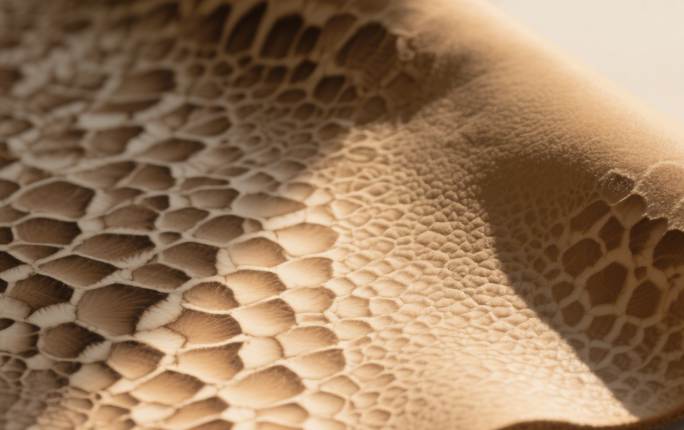
Mylo (Mycelium, Strongest in Narrative and Ethics, But Currently on Hold)
- Raw material: Mycelium grows on agricultural by-products for 2-3 weeks, with extremely low carbon content
- Binder: bio-resin + biological topcoat
- Issue: Bolt Threads suspended in 2023 (cost + scale + durability), not yet closed loop; Stella McCartney tried it but did not continue
- LCA potential: If resumed production + topcoat solution are implemented, it would be the greenest option other than banana stems
AppleSkin / Desserto / Grape (Waste Upgrading Dessert, Medium Green)
- Raw material gain: Apple peels / grape peels / cactus are upgraded from wine-making / juice extraction waste, originally to be landfilled / incinerated, carbon-negative narrative holds true
- Processing output: Binder is still petro-PU or mild bio-PU + rPET backing → non-biodegradable, petrochemical chain still exists
- Transportation: European apple peels → Portugal AppleSkin factory; Mexican cactus → worldwide – short
- LCA conclusion: “Waste Upgrading” score is high, but overall it is still lower-impact vegan leather, not circular
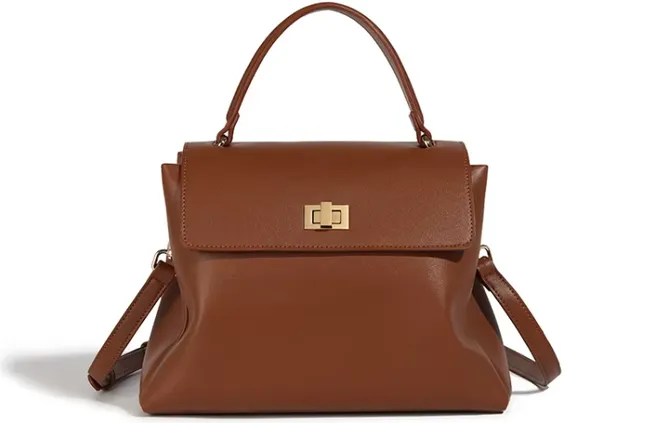
Piñatex (Pineapple Leaves, Semi-Green but with Significant Transportation Loss)
- Raw material: Philippine pineapple leaves (also an agricultural by-product), but the transportation from Philippines to Europe/Globally has a significant carbon footprint
- Processing: Fiber mat + PU immersion + PLA backing variant → still petro-PU top coating
- LCA is weaker than Bananatex (transportation + PU double factor), but better than petro-vegan
Kombucha Pure SCOBY (Narrative Green, Not Scale Green)
- Raw material: Home/artisanal cultivation of membranes, extremely low energy consumption, tea soup sugar
- Scale: Cultivate one 16cm membrane for 14 days, impossible to be industrialized at the ton level → LCA can only be considered as “small batch artisan”, not an industrial solution
- Composite version (SCOBY + biobased resin + rPET) → Sliding towards the level of AppleSkin
The 4 Sustainable Weaknesses of Plant-based
“Plant Filler%” ≠ Sustainable
AppleSkin often says “50% apple” – referring to the filler source. In the sheet, apples only account for 20–30%, and the rest is PU + rPET. A true LCA should look at the bio-based % of the entire sheet (AppleSkin is about 30–40% bio-based, while Bananatex can reach 70–80%+).
Durability Backfires on Carbon Accounting
Plant-based needs to be replaced every 2–5 years, while animal lasts 10 years or more – if the animal is tanned + heirloom use, the carbon can be spread evenly each year. The animal might have a lower carbon footprint. So “greener” depends on whether you really use it for 10 years.
Transportation Is Often Overlooked
Piñatex (from Philippines to Europe), Mylo (fermented in the US + transported in Asia), Kombucha is fine in small batches – but for any “tropical raw material → European finished product” there is transportation carbon to deduct.
Top Coating Is a Sustainability Loophole
Even if the binder is bio-PU and the backing is cotton, a layer of petro-PU top coating can make the entire sheet non-biodegradable – Bananatex basic version wins here (without petro-PU top coating or using bio-top coating).
Three Questions to Ask During Purchasing and Factory Audits (Determining Whether It Is Truly Sustainable or Just Greenwashing)
- Is the filler waste or a new variety? (Waste upgrading > New variety; but banana stems “new variety not on farmland” is also acceptable)
- What percentage of the whole sheet is bio-based? (It should be verified by a third party like USDA BioPreferred, not self-reported by the brand)
- Is the backing + topcoat petro-based? (rPET + PU topcoat = fake; cotton + bio-based topcoat = truly green)
How to Evaluate True Sustainability
| Indicator | What to Look For |
| Transparency | Brands that disclose exact percentages of plant vs. synthetic content |
| Certifications | USDA BioPreferred, TÜV OK compost, Bluesign, or Cradle to Cradle |
| Durability claims | Evidence of wear testing and realistic lifespan estimates |
| End-of-life plan | Take-back programs, biodegradability certification, or repair services |
| Supply chain | Local sourcing of agricultural waste to reduce transportation emissions |
Is Plant Based Leather Good for Making Bags?
Yes, it is highly suitable for manufacturing lightweight daily-use bags with an eco-friendly story. Most commercial plant-based leathers are suitable for making handbags, while a few more fragile varieties are only used for decorative purposes. The performance differences among different materials are significant.
Performance of Plant-Based Leather in Bag Manufacturing
Durability
- High-end engineering material: The tensile strength and tear resistance of mushroom leather (the Ganoderma species from MycoWorks) can rival those of top-grade cowhide, and it can withstand over 50,000 usage cycles. Hermès once used this material to make the Victoria bag, proving its suitability for high-end luxury products.
- Commercial-grade material: The durability of pineapple leather (Piñatex) and apple leather is comparable to mid-range synthetic leather, capable of withstanding 10,000 to 20,000 usage cycles, suitable for daily use tote bags, crossbody bags, etc.
- Limitations: The anti-abrasion ability of natural binder-based plant-based leather is relatively weak. Therefore, it is recommended to add additional protective coatings to high-wear areas such as bag corners and handles.
Waterproofness
- Treatment method: Most plant-based leathers can achieve waterproofing through natural wax layers or water-based polymers, suitable for use in light rainfall environments. For example, the pineapple leather bag from Pangaia does not leak even when splashed with water.
- Trade-off: Fully biodegradable plant leather usually has limited waterproof performance and is not suitable for use in heavy rain or long-term damp conditions. In such cases, additional care is required.
Design Diversity
- Texture simulation: Plant leather can be engineered to imitate various textures, such as full-grain leather, suede, and embossed patterns. Using 3D cultivation technology, mycelial leather can even replicate the unique texture features of animal leather.
- Customization: Plant leather supports various color dyeing options, including neon colors and soft pastel tones, which are difficult to achieve with traditional leather. At the same time, the thickness and hardness grades can be adjusted according to the design requirements of different bags.
Sustainability Advantages
- Carbon footprint: The carbon emissions for producing plant-based leather bags are reduced by 70% to 90% compared to traditional leather bags. For example, the carbon emissions of a mushroom leather tote bag are only 2.5 kilograms of CO₂e, while the equivalent-sized cowhide bag can reach up to 30 kilograms.
- Reduction of waste: Plant leather production uses agricultural waste (such as pineapple leaves, apple residues) as raw materials, effectively reducing food waste. Advanced production processes, such as 3D mycelial cultivation technology, can achieve zero waste manufacturing.
- Life cycle: Pure mycelial leather bags can be composted at home within 6 to 12 months, while some biodegradable plant-based leathers can be recycled through the brand’s recycling program.
Plant-Based Leather for Bags – Pros and Cons
| Dimension | ✅ Pros | ❌ Cons / Risks |
| Eco Friendliness | Reduces animal slaughter; some use agricultural waste (e.g., fruit peels, pineapple leaves); some are fully biodegradable (e.g., kombucha, cork). | Most commercial materials (apple, grape, cactus) contain 30–50% PU/PLA plastics – not 100% natural. |
| Durability | Cactus leather (Desserto®) can last up to 10 years; cork leather 5–10 years; mushroom leather (Mylo™) performs comparably to genuine leather. | Pineapple leather (Piñatex®) lasts about 3–4 years; most fruit-based leathers are less durable than traditional cowhide. |
| Feel & Appearance | Texture close to genuine leather (apple leather); unique natural grain (cork, cactus); some have natural scents (coffee, tea leather). | Some materials feel plasticky; texture can be uneven; lack the “patina” ageing beauty of traditional leather. |
| Water Resistance | Cork leather is naturally water resistant; coatings can improve water resistance. | Most plant based leathers (kombucha, pineapple) are not waterproof – easily damaged by moisture. |
| Price | Mid range positioning – between PU and high end genuine leather. | Still more expensive than standard PU; limited economies of scale. |
| Workability | Can be dyed, embossed, cut, and sewn – flexible processing. | Some materials (e.g., cork) have lower strength and are not suitable for heavy load designs. |
Bag Suitability of Different Plant‑Based Leathers
| Material Type | Bag Suitability Rating | Best Bag Types | Key Notes |
| Cactus Leather (Desserto®) | ★★★★☆ | Everyday totes, crossbody bags, commuter bags | Longest lifespan (10 years), soft and durable |
| Cork Leather | ★★★★☆ | Lightweight handbags, wallets, accessories | Naturally water resistant, lightweight, but lower strength |
| Apple Leather (AppleSkin) | ★★★☆☆ | Fashion handbags, small crossbody bags | Leather like feel, but contains PU – check composition |
| Mushroom Leather (Mylo™) | ★★★☆☆ | Conceptual bags, high end accessories | Performance comparable to leather, but limited production scale |
| Pineapple Leather (Piñatex®) | ★★☆☆☆ | Concept bags, display pieces, lightweight pouches | Not water immersion resistant; lifespan approx. 3–4 years |
| Kombucha Leather | ★★☆☆☆ | Evening bags, coin purses, art pieces | Not waterproof; low durability |
| PU / PVC Leather | ★★★☆☆ | Affordable fast fashion bags | Low cost, waterproof, but non-biodegradable |
| Traditional Animal Leather | ★★★★★ | All bag types | Unmatched durability, texture, and patina |
Quality Matters Enormously
| Base Material | Bag Durability |
| Mushroom leather (Mylo) | Best; improving rapidly; suitable for regular use |
| Piñatex | Good; proven for bags with proper coating |
| Cactus leather (Desserto) | Good; naturally more resilient |
| Apple / coffee / grape leather | Moderate; best for light-to-moderate use |
| Kombucha leather | Poor; too fragile for functional bags |
Comparison to Alternatives for Bags
| Material | Best For | Plant-Based Advantage |
| Animal leather | Heirloom, heavy-duty bags | Plant-based is lighter and more ethical |
| Synthetic PU | Budget, consistent performance | Plant-based is more sustainable |
| Canvas | Casual, washable bags | Plant-based offers more polish and structure |
How Brands Actually Use Them (Real Case References)
- AppleSkin: For small items / shoes and some shoe uppers (not full bags, mainly shoes / small leather goods)
- Nanushka: For lightweight, compact crossbody bags / handbags (only for light loads)
- Bananatex: Own brand tote bags + Stella McCartney (past collaboration) + Patagonia-style practical bags – This is the only brand that truly successfully replaced traditional leather with plant-based materials and was capable of fulfilling the function of a commuter bag
- Hugo Boss / H&M Conscious: Uses grape/apple patterns on small leather items / shoe uppers, not for large capacity bags
- Stella McCartney: Trialled Mylo (in 2023 due to Bolt Threads’ suspension) + “leather” made from recycled polyester – Never used fruit-based materials in large bags extensively
- Pattern explanation: Large capacity bags only use Bananatex. All other brands insist on using plant-based materials for small items, shoe uppers, or small crossbody bags.
Market Applications and Brand Cases
- Luxury Brands: Hermès, Stella McCartney, and LVMH have launched plant-based leather handbag collections, demonstrating their wide recognition in the high-end market.
- Mainstream Brands: Adidas, Puma, and Coach have also introduced plant-based leather products, making sustainable materials more accessible to the general public.
- Specialized Brands: MycoWorks, Bolt Threads, and Piñatex focus on plant-based leather, providing customized solutions for bag manufacturers.
Important Considerations When Choosing Plant-Based Leather Bags
- Check the ingredient label: Opt for products that clearly state “100% bio-based” or “No PU/PLA”. Be cautious of the plastic traps under the “plant-based” label.
- Understand the expected lifespan: If you want the bag to last for more than 5 years, consider cactus leather or cork leather.
- Choose based on usage scenarios: For daily commuting, choose cactus or apple leather; for evening events or display purposes, choose kombucha or pineapple leather.
- Waterproof treatment: If choosing non-waterproof materials (such as pineapple leaves, kombucha), ensure the product has undergone waterproof coating treatment.
Maintenance and Usage Tips
- Cleaning: Use a slightly damp soft cloth to wipe gently. Avoid using alcohol or strong alkaline cleaners.
- Storage: Avoid direct sunlight and store in a cotton bag to keep it ventilated and dry.
- Moisture Prevention: Dry thoroughly after rain. Apply a plant-based specific care oil (such as Mylo Care).
- Repair: Minor scratches can be filled with the same color plant-based wax pencil. Do not iron at high temperature.
Conclusion
Plant-based leather refers to “leather-like” materials made from plant-based sources, which is an important exploration in sustainable fashion. It offers a compromise option that is “more environmentally friendly than genuine leather and more natural than PU”.
Plant-based leather is not equivalent to being natural, completely biodegradable, or absolutely sustainable. Many products add coatings such as polyurethane or composite backing to increase strength and water resistance, which can affect biodegradability and recyclability.
Overall, plant-based leather is a type of rapidly developing alternative material.
Currently, plant-based leather has been applied in areas such as shoes, bags, and automotive interiors, aligning with the “dual carbon” and ESG trends. Although it faces challenges such as high costs and lack of standards, with the advancement of technology and policy improvement, it is expected to become an important development direction in the field of sustainable materials.
If you are creating your own bag brand and are looking for a reliable bag manufacturer, please feel free to contact us for details.