
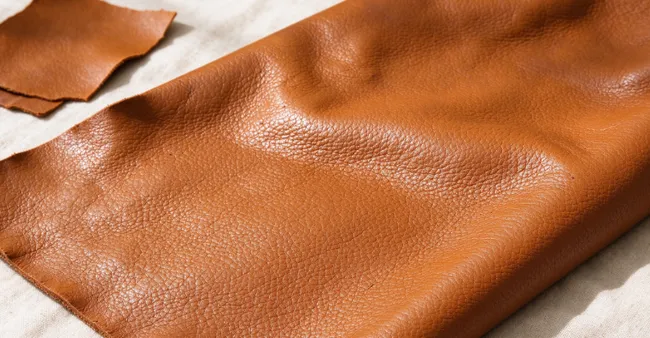
Togo leather is made from the full-grain hide of young buffalo calves’ necks. It undergoes a special tanning process that gives the surface a semi-matte finish and a raised, natural grain. This texture comes from the calf’s own skin, rather than an embossed pattern.
This makes it a genuinely premium leather that is soft yet structured, highly durable, and luxurious. It is frequently used by Hermès. Comparable products on the market include naturally grained (non-embossed), matte-finished, full-grain bull calf leather from top-tier tanneries in France or Italy.
Togo leather was once an exclusive term associated with Hermès. Many consumers and industry professionals regard it as a high-end leather material synonymous with Hermès-quality craftsmanship.
What Is Togo Leather?
Togo leather is a high-end embossed calfskin and one of Hermès’ most iconic and popular full-grain calf leathers. It is particularly regarded as the signature leather for the Birkin bag, making it especially suitable for everyday luxury handbags. It is not named after its place of origin, but after the annual theme Hermès used when introducing it—the African country of Togo.
Source: A Specific Part of a Young Bull’s Hide
Togo leather is typically sourced from baby calf hides, more specifically from the head and neck area. The leather in this area is firm and dense, providing the foundation for Togo’s durability.
Key Characteristics: A Balance of Texture, Feel, and Durability
The appeal of Togo lies in its distinctive texture, which appears rugged yet feels refined.
Material: Typically made from adult bull or calf leather, particularly from the neck area.
Appearance: The surface is covered with clearly defined, irregular pebbles of varying sizes, creating a matte finish. This natural pebbled grain is its most distinctive identifying feature.
Feel: Although it appears heavily textured, the leather feels exceptionally smooth and soft to the touch. It has been described as “beautiful to the touch as your fingers glide across it.” It is firmer and holds its shape better than Clemence leather, yet lighter than Fjord leather, making it suitable for everyday use.
Durability: This is the key factor behind Togo’s reputation. It is highly scratch-resistant, and minor scratches from everyday use can even be softened and blended away by gently rubbing them with the natural oils from your fingers. It is also easy to clean, and if creases develop, it has excellent restoration potential and can be returned to a like-new condition.
Aging: Over time, the leather gradually softens and develops a gentle, warm sheen without losing its original structure.
Dyeing: The color is applied evenly, producing rich, matte tones. Classic colors include Étoupe (light brown), Gold, Black, and Craie (dark gray).
Care: Avoid prolonged exposure to sunlight, extended soaking, and prolonged contact with damp environments. Wipe with a soft, dry cloth and apply a small amount of leather conditioner as needed.
Summary of the Defining Characteristics
| Property | Togo |
|---|---|
| Grain | Raised, irregular, pebbled — natural, visible + tactile |
| Finish | Semi-matte, soft lustre |
| Weight | Medium — lighter than Clemence, heavier than Epsom/Chevre |
| Structure | Excellent — holds shape, resists slouching (the key advantage) |
| Scratch resistance | Very good — the raised grain hides minor scratches |
| Water | Some natural resistance; not waterproof — blot, don’t rub |
| Aging | Softens and develops a gentle patina; keeps structure (doesn’t collapse) |
| Natural marks | Veins, wrinkles, and grain variation are normal features, not defects |
Main Uses and Status
Togo leather is the most commonly used leather for Hermès’ top-tier handbags. Approximately 15% of Birkin and Kelly bags sold at auction are made from Togo leather. It is most commonly found on Birkin bags and Kelly Retourné bags. It has become the “first choice for beginners” because it combines a luxurious feel, excellent durability, and relatively low maintenance requirements.
Togo Leather vs. Other Hermès Leathers
| Leather | Source | Grain | Structure | Weight | Best Trait | Weakness |
|---|---|---|---|---|---|---|
| Togo ⭐ | Bull calf | Raised pebbled | Excellent (holds shape) | Medium | Durability + structure | Slightly stiff when new; heavy in large sizes |
| Clemence | Calf (bull) | Flatter, larger, “spread” grain | Poor — slouchy, collapses | Heavier | Buttery soft, relaxed | Loses shape permanently; very heavy |
| Epsom | Calf (embossed) | Embossed rigid cross-hatch | Rigid, board-like | Lightest | Featherweight, crisp structure, wipe-clean | Can feel “plasticky”; creases can’t be undone |
| Swift | Calf | Smooth, fine | Soft-moderate | Light | Most vibrant color saturation | Scratches/scuffs very easily |
| Box calf | Calf | Smooth, glossy | Firm, structured | Medium | Classic patina, mirror shine | Shows every scratch; water spots easily |
| Chevre (goat) | Goat | Fine pebbled + vertical marks | Excellent, rigid | Very light | Lightest + strongest, holds shape | Limited supply; distinctive grain not for everyone |
| Barenia | Calf (saddle) | Smooth, oily | Soft | Medium | Legendary patina, Hermès heritage | Absorbs water, high-maintenance |
What Is Togo Leather Made Of?
Togo leather is made from calfskin, specifically, typically from male calves under one year old (veau), rather than synthetic materials. Its official name is “Veau Crispé Togo.” In French, “veau” refers to a male calf under one year old.
Leather-Making Process
- Raw Material: Calfskin, typically from young male calves.
- Dyeing and Tanning: The leather is tanned to preserve its durability and flexibility.
- Grain Characteristics: Its distinctive fine, pebbled texture comes from the leather’s natural grain, as well as the processing and surface-finishing techniques.
- Finishing: Special techniques are used to make the leather soft to the touch, durable, and distinctive in appearance.
The Tanning & Finishing Recipe (How Hide → Togo)
| Stage | What Happens | Why It Matters for Togo |
|---|---|---|
| 1. Beamhouse | Curing → soaking → liming/dehairing → deliming → bating → pickling | Cleans and prepares the pelt; removes hair and soluble proteins |
| 2. Chrome tanning | Basic chromium sulfate penetrates the hide, converting it to stable “wet blue” leather | Chrome tanning is what makes Togo soft, supple, and lightweight while remaining strong — faster and softer than vegetable tanning |
| 3. Retanning / fatliquoring | Synthetic + vegetable retan agents; oils and lubricants added | Builds the medium temper — soft to the touch but with “body” and spring so the bag holds its shape |
| 4. Dyeing | Drum-dyed through, then surface-finished | Togo absorbs rich, deep colour while keeping a semi-matte look |
| 5. Drying & staking | Controlled drying, then mechanical softening | Sets the natural grain permanently; gives the leather its tactile “pebbled” feel |
| 6. Semi-matte finish | Light protective topcoat — not a heavy pigment layer | Keeps the natural grain visible and touchable while adding light water/wear resistance |
Key point
Since Togo is full-grain leather, it does not require heavy color correction or grain polishing. The surface is largely left as it is, with only a thin protective coating applied.
From Raw Hide to Its Signature Texture
Its signature irregular pebbled grain is not created through machine embossing, but results from a physical “shrinkage” process.
Core Process: Hermès officially describes it as an “intensive drumming process.” During prolonged tumbling and tanning, the hide naturally shrinks, causing the surface fibers to tighten and rise, forming a three-dimensional, rounded pebbled texture.
Natural Markings: This process preserves the leather’s full-grain characteristics, so natural veining and wrinkles are often visible on Togo leather, contributing to its natural appearance.
Characteristics Determined by Material and Processing
The raw material and processing methods together shape Togo leather’s core characteristics:
Strong and Durable: As full-grain leather, it retains the toughest outer layer of the hide and offers excellent scratch resistance, making it well suited to everyday use.
Soft Yet Shape-Retaining: It feels soft and dry to the touch while remaining sufficiently firm to maintain the bag’s shape without easily becoming slouchy.
Changes Over Time: With use, Togo leather gradually becomes softer and develops a natural sheen.
Note
Sources differ on whether Togo leather comes from male or female calves. Some sources state that Togo comes from male calves, while the visually similar Clemence leather comes from female calves; however, other sources claim exactly the opposite. Nevertheless, both are confirmed to fall within the category of calfskin.
Composition Summary
| Component | Details |
|---|---|
| Biological source | Young bull calf hide (bovine) |
| Layer | Full-grain (top/outer layer, uncorrected) |
| Grain | Natural raised pebbled — grown, not embossed |
| Tanning | Chrome-tanned (chromium III sulfate) |
| Finish | Light semi-matte protective topcoat |
| Temper | Medium — soft but shape-retentive |
| Thickness | ~1.2–1.4 mm (typical for bag-weight Togo) |
| Animal by-product | Yes — a genuine leather, a co-product of the meat industry |
What Togo Leather Is NOT Made Of
To avoid common misconceptions:
- ❌ Not embossed or artificially textured leather — Epsom is embossed, whereas Togo has a natural grain.
- ❌ Not synthetic, bonded, or PU leather — It is made from 100% genuine animal hide.
- ❌ Not adult cowhide — It is calfskin, which has a finer and lighter texture.
- ❌ Not goat or sheep leather — These belong to different leather categories, such as Chevre (goatskin) or lambskin.
- ❌ Not suede or nubuck — Togo features the outer grain surface rather than the sanded inner flesh side.
- ❌ Not vegetable-tanned leather — Vegetable-tanned leather would be associated with Barenia or Box styles; Togo is chrome-tanned, giving it a soft feel.
Is Togo Leather Expensive?
Yes. Togo leather is a high-end material and is relatively expensive.
However, its price needs to be considered on two levels: as a raw material, it is a premium leather, but its price per unit is not prohibitively high. Once it is made into a finished Hermès handbag, however, its price rises to the luxury goods level.
Key Factors Behind the High Price of Togo Leather
High-Quality Raw Materials
Togo leather is sourced from the neck area of young bulls. This area has a dense fiber structure, ensuring the leather’s durability. The yield from this specific area of each animal is limited, driving up material costs.
Specialized Processing Techniques
The leather undergoes intensive drum tanning to achieve its signature matte finish, fine texture resembling lychee skin, and soft yet resilient feel. These sophisticated techniques further increase production costs.
Brand Premium (e.g., Hermès)
Togo leather is renowned for its use in Hermès’ iconic Birkin and Kelly handbags. These products command high prices because of the brand’s luxury status and exceptional craftsmanship. For example, a Birkin bag made from Togo leather can sell for between $13,500 and $23,000.
Durability and Longevity
Togo leather offers excellent scratch resistance, water resistance, and resistance to deformation. Its ability to withstand long-term use makes its high price seem reasonable to buyers seeking investment value.
Market Demand and Resale Value
Togo leather bags can retain 75% to 90% of their value after purchase, making them highly attractive on the resale market. This scarcity, combined with strong demand, further drives up prices.
As a Raw Material: Premium, but Not Astronomically Expensive
According to leather experts and actual market data, the cost of Togo leather hides is relatively transparent:
- Price per hide: A Togo hide sourced from the renowned German tannery Weinheimer, averaging approximately 22 square feet, costs around $330 (based on €13 per square foot).
- Price per square foot: In China’s leather market, the reference price for Togo leather is approximately RMB 48 to over RMB 70 per square foot. Some discounted hides may cost as little as RMB 15.8 per square foot, although quality and sourcing channels vary.
Therefore, as a material alone, Togo leather is not cheap, but it is far from being in the luxury goods price category.
As a Finished Handbag: The Luxury Price Premium
The high price of Togo leather is primarily reflected in its use in finished handbags as Hermès’ signature leather. Handbag prices are determined mainly by brand, craftsmanship, scarcity, and market supply and demand, with the cost of the leather accounting for only a small proportion of the total.
Official Boutique Prices (2026 Reference)
- Birkin 25: Starting at approximately $13,500.
- Birkin 30: Approximately $14,900.
- Birkin 35: Approximately $16,300.
Secondhand Market Prices (Significant Premiums)
Because Birkin bags are extremely difficult to obtain at retail boutiques, the secondhand market better reflects their actual market value.
- Average price: According to sales data for more than 2,400 Togo bags in 2025, the average secondhand transaction price was approximately $20,578.
- Popular styles: Birkin 25 bags in excellent condition often sell for over $30,000 on the secondhand market, sometimes even more.
Is Togo Leather Durable?
Yes. Togo leather is exceptionally durable. It is designed for frequent everyday use and is often described as “The One That Forgives Everything.”
Key Durability Characteristics
Excellent Scratch Resistance
This is Togo’s most celebrated advantage. Because Togo is natural, unembossed full-grain leather, its dense natural pebbled grain—approximately 40–60 grains per square inch—effectively conceals minor everyday scratches. Many small scratches can even be softened and blended away by gently rubbing them with your fingers. Its reported self-healing rate for minor blemishes exceeds 90%, earning it a reputation for being “almost completely scratch-resistant.”
Fiber Strength
This leather is sourced from the neck area of young bulls, where the fibers are densely and tightly arranged. Combined with the drum-shrinkage process, this gives it significantly greater abrasion and tear resistance than ordinary corrected-grain or printed-grain leather.
Good Water Resistance
Togo leather offers good resistance to rain and everyday splashes. Light rain will not cause damage, provided the leather is promptly blotted dry with a cloth. Unlike some delicate leathers, it is less likely to develop permanent water stains upon contact with moisture.
Excellent Shape Retention
Compared with the equally popular Clemence leather, Togo leather is firmer and more structured. It maintains the bag’s original shape well over years of use, resisting slouching and deformation while remaining supple to the touch.
This is precisely why it is a classic match for the Birkin Retourné: the bag retains its shape under heavy loads without sagging. Even when compared with the firm and durable Epsom leather, its surface hardness is approximately twice that of Epsom, while its weight is about 15% lower.
Easy Repair and Restoration
If watermarks or scratches occur accidentally, Togo leather is relatively easy to repair. More importantly, it has excellent restoration potential. Even when signs of use appear, it can be restored to a like-new condition through Hermès’ leather care services.
Why Is Togo So Structurally Durable?
Full-Grain Construction
Togo leather retains the densest fiber network in the outermost layer of the hide without sanding, polishing, or corrective treatment. This is the strongest part of the leather, which is why full-grain leather can last for decades longer than corrected-grain, genuine leather, or bonded leather.
Chrome Tanning
Chrome tanning makes the leather soft yet strong, providing excellent tensile and tear resistance while keeping it lightweight. It also offers better water resistance than vegetable-tanned leather.
Moderate-Temperature Tanning Combined with Resilience
Togo leather feels soft to the touch but has sufficient structural support to maintain its shape. Unlike Clemence, which can become permanently slouchy, a Togo leather Birkin can still stand upright on its own even after years of use.
Natural Grain, Not Embossed Grain
Because its pebbled texture develops naturally rather than through embossing, it does not peel, flake, or wear away in the same way as embossed textures. There is no laminated surface film to separate.
Why Does Togo Have Such Excellent Scratch Resistance? (Its Ability to Hide Scratches)
- Its raised, irregular pebbled texture effectively conceals minor scratches and wear. Scratches that would be clearly visible on smooth Swift or Box leather are cleverly disguised by Togo’s grain.
- Minor scratches can often be reduced simply by gently rubbing the surface with a clean finger or soft cloth, as the raised grain naturally helps mask marks caused by light friction.
- Its semi-matte surface does not show fingerprints or watermarks as readily as glossy Box leather.
- It does not permanently collapse or wrinkle. Instead, while retaining its structure, it develops a natural patina gracefully over time.
The result is that Togo bags remain attractive during actual use, rather than looking good only in photographs. This is the true meaning of practical durability.
Signs of Aging: Growing Old Gracefully
Togo’s durability does not mean it remains unchanged forever. Over time, it becomes increasingly soft and develops a warm sheen in areas that receive the most contact, such as the handles. This creates a subtle, elegant patina without making the bag look worn out.
Objective Limitations: Trade-Offs to Consider
Despite its many advantages, Togo leather is not perfect. Two factors are worth considering:
Weight: Although lighter than Clemence, some users still find bags made from Togo leather—especially larger models—relatively heavy. Carrying them for extended periods may become tiring.
Thickness Variations: Togo leather can vary in thickness between different years and production batches. Thinner hides are lighter, but in theory, their maximum durability may be slightly lower than that of thicker hides.
Durability Ranking vs Other Hermès Leathers
| Leather | Structural | Cosmetic (stays pretty) | Overall Practical Durability |
|---|---|---|---|
| Chèvre (goat) ⭐ | Excellent (lightest + strongest) | Very good | Best strength-to-weight |
| Epsom | Rigid, wipe-clean | Good — but can crack at creases/corners | Very high, but brittle risk |
| Togo ⭐ | Excellent — holds shape | Excellent — hides scratches | Best all-rounder |
| Box calf | Firm, strong | ❌ Shows every scratch, water-spots | Structurally fine, cosmetically fragile |
| Clemence | Strong material | Fair — but slouches/collapses | Heavy + loses shape |
| Swift | Moderate | ❌❌ Scratches very easily | Least durable cosmetically |
| Barenia | Good | ❌ Absorbs water, high maintenance | Needs committed care |
Ideal Use Cases
- Everyday Essentials: Bags for daily use, travel accessories, and office leather goods.
- Luxury Investments: Items that combine elegance with long-term durability, such as Hermès Birkin bags.
Expected Lifespan
With proper care, Togo leather bags can last 20 to 30 years or even longer, far exceeding the user’s practical needs. They are not leather goods intended for “special occasions,” but are designed to be carried every day. Togo leather bags produced in the 1990s and early 2000s are still widely used today, providing strong evidence of their exceptional durability.
How to Maximize Togo Leather’s Durability?
- Daily Care: Wipe away dust with a soft, dry cloth. Usually, that is all it takes.
- Scratches: Gently rub with a clean finger or soft cloth; the grain conceals most marks.
- Water Stains: Blot immediately without rubbing vigorously. Avoid direct sunlight and allow the leather to air-dry naturally.
- Conditioning: Apply conditioner only when the surface is dry, no more than once or twice a year. Excessive conditioning can soften Togo’s structure and compromise its prized characteristics.
- Storage: Use tissue paper or bubble wrap to maintain the bag’s shape, and store it in a dust bag in a dry place away from light.
- Corner Care: Avoid dragging the bag. Set it down flat rather than sliding it across a surface. This is the best way to prevent corner wear.
- Avoid: Harsh solvents, prolonged exposure to sunlight (which can cause dye fading), and excessive conditioning.
Is Togo Leather Good for Making Bags?
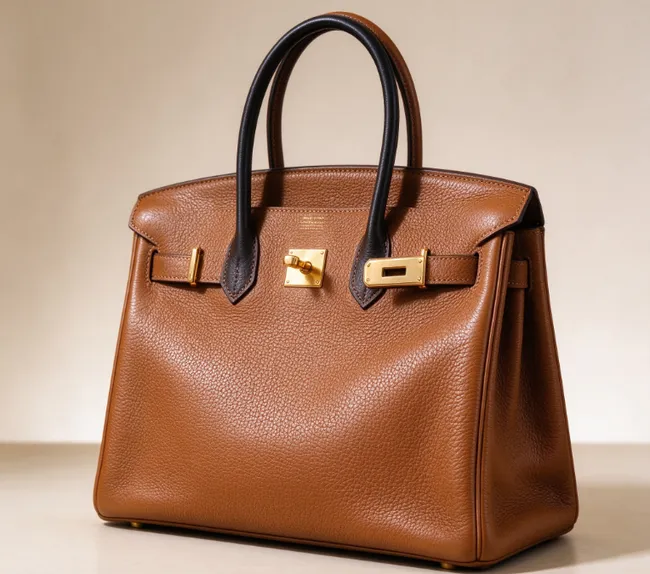
Togo leather is an excellent choice for making bags, especially those designed for durability and everyday practicality. It is widely regarded as one of Hermès’ most ideal and low-maintenance leathers for everyday use, offering an excellent balance of durability, texture, and practicality.
Why It Is an Ideal Choice for Bags
Exceptional Durability and Scratch Resistance: Togo leather’s signature natural pebbled grain effectively conceals minor scratches from everyday use. Its fiber structure retains good resilience, allowing minor indentations to recover on their own in many cases. It is exceptionally hard-wearing and has been described as “the leather that forgives everything.”
Structured Yet Soft: Compared with the equally popular Clemence leather, Togo leather retains a soft feel while offering greater firmness and support. Bags made from it are less likely to become slouchy and can maintain their shape more effectively.
Easy to Repair and Maintain: Minor watermarks and scratches are relatively easy to repair, and the leather has good restoration potential. With use, it gradually becomes softer and develops a warm sheen, allowing it to “age gracefully.”
Versatility Across Styles: Togo’s natural drape makes it particularly suitable for the Retourné construction technique, effortlessly creating the relaxed, softly structured elegance of Hermès’ classic silhouettes. It is one of the most commonly used leathers for iconic styles such as the Birkin and Kelly Retourné.
Why Togo Is So Good for Bags (The Five Reasons)
| Property | Why It Matters for a Bag |
|---|---|
| Holds its shape ⭐ | The #1 reason. Unlike Clemence (which permanently slouches and collapses), Togo has “spring” — a Togo tote still stands up on its own after years. Structure is what makes a bag look expensive. |
| Hides scratches ⭐ | The raised pebbled grain camouflages scuffs; minor scratches often rub out with a finger. Bags get knocked around — Togo forgives it. Swift/Box show every mark. |
| Full-grain + natural grain | Uses the hide’s strongest top layer; the pebbling is grown, not stamped, so it can’t peel, flake, or wear off like embossed grain. |
| Chrome-tanned softness | Soft and supple to the touch, yet strong and lightweight — no heavy break-in struggle like vegetable-tanned leather. |
| Semi-matte finish | Doesn’t show fingerprints or water spotting like glossy Box calf; the natural look reads as “expensive leather” without shouting. |
Best vs. Worst Bag Applications
| Use Togo For | Why | Avoid Togo For |
|---|---|---|
| Structured totes ⭐ | Shape retention is critical — Togo excels | Ultra-light travel bags (too heavy) |
| Top-handle / Birkin-Kelly styles | The classic use; stands up, ages well | Oversized weekenders (weight adds up) |
| Everyday carry bags | Scratch resistance handles daily abuse | Ultra-minimalist slouchy bags (Clemence/buttery leather better) |
| Handles & straps ⭐ | Takes hand abrasion far better than smooth calf | Bags under €300 retail (cost-prohibitive as body) |
| Leather trim on raffia ⭐⭐ | Perfect pairing — pebbled grain hides wear at the highest-contact points | Evening clutches (Swift/Box more elegant) |
Trade-Offs to Consider During Manufacturing and Use
High Manufacturing Requirements: Togo leather is “comfortable to use, but requires careful craftsmanship to make.” If the edges or seams are finished too tightly in the workshop, they may crack over time. Therefore, sufficient allowance must be made during stitching for the leather’s natural softening.
Performance in Humid Environments: Togo’s natural pore structure absorbs moisture from the surrounding environment. In tropical or humid climates, the leather fibers may relax, causing the bag to lose some of its shape. When used in extremely humid regions, it requires more careful maintenance than in dry climates.
Weight and Thickness: Togo is a medium-to-heavyweight leather. Although lighter than Clemence or Fjord, it still has considerable weight when made into large bags. In addition, leather thickness may vary between batches.
FAQ
What Animal Is Togo Leather?
Togo leather is made from the hide of young male calves. The name often causes confusion, as there is no animal called “Togo,” and the name has nothing to do with the West African country of Togo. It is a leather term used to describe full-grain calfskin with a natural pebbled texture.
In 1997, the French luxury brand Hermès adopted “Togo” as a commercial name, inspired by that year’s annual theme. The word “Togo” is actually derived from the French word veau, meaning calf. These hides are carefully selected from specific areas, usually the neck, whose natural density and excellent quality give the leather exceptional durability, making it one of the most popular materials for high-end handbag manufacturing.
Is Togo Leather Real Leather?
Yes, Togo leather is absolutely genuine leather, not a synthetic material or coated fabric. It is made from 100% genuine full-grain calfskin. Unlike synthetic materials such as PU (polyurethane) or PVC, Togo leather comes directly from animal hides and is processed using traditional tanning methods. Because it uses the outermost layer of the hide—the strongest and most durable part—it is considered a premium, high-quality leather.
What Does Togo Leather Smell Like?
Authentic Togo leather has a distinctive, rich, natural leather scent rather than a sharp chemical smell. Made from high-quality full-grain calfskin and processed using traditional tanning methods, it has a warm, earthy aroma with a slightly sweet note. This scent is often described as luxurious and woody, evoking high-end leather goods and fine craftsmanship. Over time, as the bag is exposed to the air, the scent may gradually fade, but its natural, premium leather aroma remains a hallmark of its authenticity and quality.
What Does Togo Leather Feel Like?
Togo leather feels exceptionally soft, supple, and luxurious while retaining a distinct texture and durability. Although its surface features a clearly defined pebbled grain, it does not feel rough or uneven. Instead, it feels smooth and refined, with a soft, subtly grippy texture that provides a satisfying tactile experience. It is flexible enough to drape elegantly yet sturdy enough to maintain the bag’s shape. Over time and with frequent use, Togo leather becomes even softer and more supple, gradually developing a warmer, richer feel through contact with the user’s hands.
What Does Togo Leather Look Like?
Togo leather is visually appealing because of its distinctive, irregular pebbled grain. Its surface is covered with small raised bumps of varying sizes and shapes, giving the leather a highly dimensional, textured appearance. Its pronounced matte finish absorbs rather than reflects light, giving bags an elegant, understated, and refined look. As a natural full-grain leather, Togo often features natural markings, subtle wrinkles, and occasional grain lines that enhance its organic beauty and ensure that every bag is unique.
What Brands Use Togo Leather?
Togo leather is most famously and primarily used by the French luxury fashion brand Hermès. It is one of the signature leathers used for its most iconic handbags, including the Birkin and Kelly, particularly the Kelly Retourné. Because of its durability and beautiful drape, Hermès uses Togo extensively in its classic everyday handbags. When consumers and collectors specifically refer to “Togo leather,” they are almost always referring to the high-quality material carefully selected and handcrafted by Hermès.
Is Togo Leather Expensive?
Yes, Togo leather is a premium material and is relatively expensive. As high-quality full-grain calfskin processed to meet Hermès’ exacting standards, the raw material itself is costly. A single high-quality Togo hide can cost several hundred dollars.
However, the real expense comes when the leather is made into a finished handbag. A Hermès Birkin or Kelly bag made from Togo leather is extremely expensive, with retail prices typically ranging from $10,000 to $15,000. Due to extreme scarcity and high demand, resale prices are often even higher.
Conclusion
Togo leather is an ideal material for everyday luxury handbags, combining a premium feel with durability. It is one of Hermès’ most iconic full-grain calf leathers, named after the brand’s 1997 annual theme, Togo, and typically sourced from a specific area of a young bull’s hide. Its signature irregular pebbled grain is not machine-embossed but naturally formed through an intensive drum-shrinkage process.
Togo leather’s dense fibers give it excellent scratch resistance, water resistance, and resistance to deformation. At the same time, it is relatively lightweight and more flexible than comparable leathers, combining practicality with aesthetic appeal. As it is used, it gradually develops a distinctive patina, adding to its character.
If you are designing your high-end handbag collection and looking for a reliable handbag manufacturer to produce your bags, please feel free to contact us.