
Bonded leather, also known as reconstituted or composite leather, is a lower-grade leather material often marketed as an eco-friendly alternative to genuine leather. It is made by combining leather scraps and fibers left over from the leather manufacturing process with binders such as polyurethane or latex. The mixture is then pressed onto a fabric or paper backing and finished with embossing and a surface coating to create a look similar to genuine leather.
One of the biggest advantages of bonded leather is its relatively low cost. It offers a consistent appearance, is easy to process, and makes use of waste generated during the production of natural leather, helping improve material utilization to some extent.
Bonded leather is suitable for inexpensive fashion bags, promotional giveaways, book covers, folders, low-use furniture, and decorative items. However, it is generally not a good choice for everyday commuter bags, luggage, frequently used sofas, or products designed for long-term durability.
If you’re a brand considering which material to use for your bags, it’s worth taking the time to understand the characteristics of different materials and then choosing the one that best fits your brand positioning, product requirements, and target customers.
- What Is Bonded Leather Material?
- Key Characteristics of Bonded Leather
- Is Bonded Leather Right for Your Product?
- What It Actually Is
- Typical Composition
- Bonded vs. Genuine vs. PU Leather
- Genuine Advantages
- Structural Disadvantages
- Common Applications
- For a Bag Brand — Should You Use It?
- How to Identify It (Non-Destructive)
- Labelling and Regulatory Reality
- Is Bonded Leather Good Quality?
- Why Is Bonded Leather Considered a Lower-Cost Material?
- Why It Fails (The Core Quality Problems)
- Lifespan Compared to Real Leather
- How It Compares on "Quality" Dimensions
- When Can Bonded Leather Be a Reasonable Choice?
- When (If Ever) Bonded Leather Is Acceptable
- For Bags
- Why Its Quality Ceiling Is Structural, Not Easily Fixable
- When Bonded Leather May Not Meet the Quality Requirements
- "Is It Good Quality?" Is Really Three Different Questions
- Where Bonded Leather Is Genuinely Acceptable
- Where It Always Fails
- Why Is Bonded Leather So Common?
- How Can You Avoid Being Misled?
- Speed Reference
- Is Bonded Leather Durable?
- Why Isn't Bonded Leather Highly Durable?
- Durability Comparison
- Durability by Dimension
- The Failure Timeline: What Actually Happens, and When
- What Accelerates Failure (and What Doesn't Help)
- Where It Fails First (Consistently)
- Where Bonded Leather Is Actually Acceptable
- And Where It Always Fails
- Where It Sits on the Leather Ladder
- How to Test Durability Before You Buy or Spec
- For a Bag Brand: The Operational Verdict
- Does Bonded Leather Peel?
- Why Does Bonded Leather Peel?
- What Causes Bonded Leather to Peel?
- Where Does Peeling Usually Start?
- Where It Peels First (Always the Same Places)
- The Peel Timeline: What Happens, and When
- What Accelerates Peeling
- Can You Prevent or Stop the Peeling?
- Can Peeling Bonded Leather Be Repaired?
- How Bonded Peeling Compares to Other Materials
- Is Bonded Leather Good for Making Bags?
- When Is Bonded Leather Suitable for Bags?
- Different Grades of Bonded and Composite Materials
- When Is Bonded Leather Not a Good Choice for Bags?
- Why Can Bonded Leather Be Challenging for Bags?
- Why May Bonded Leather Be Less Suitable for Premium Bags?
- Choosing the Right Material for Your Bag
- Why Bonded Leather Is Bad for High-End Bags
- When It Might Work (Niche Cases)
- When Bonded Leather in a Bag Is Acceptable
- Where Bonded Leather Appears in Bags
- Cost Reality: The Saving Isn't Real
- Bonded Leather vs. Other Bag Materials
- What to Specify Instead
- Verdict by Bag Component
- Conclusion
What Is Bonded Leather Material?
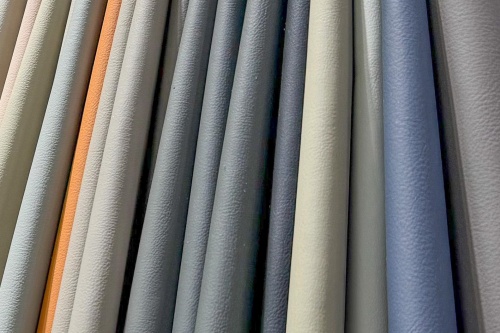
Bonded leather, also called reconstituted leather or composite leather, is a partially synthetic material made by compressing and bonding recycled leather scraps. Essentially, it consists of leather fibers mixed with polyurethane or latex binders, followed by surface treatments designed to mimic the texture and appearance of natural leather.
It typically contains around 10%–30% recycled leather fibers, with the remainder consisting primarily of polyurethane binders and other synthetic materials. Unlike both full-grain or genuine leather and fully synthetic faux leather, bonded leather is a recycled composite material that falls somewhere between the two.
Key Characteristics of Bonded Leather
Appearance
New bonded leather can closely resemble genuine leather, with a smooth and consistent surface. Its embossed grain can be designed to mimic different types of natural leather.
Unlike natural leather, however, bonded leather generally does not have the unique variations found in a natural hide, such as individual grain patterns, pores, scars, or other natural markings. This gives bonded leather a more uniform and consistent appearance from one product to another.
Price
One of the biggest advantages of bonded leather is its relatively low cost. It is generally less expensive than genuine leather, making it an attractive option for products where keeping manufacturing costs and retail prices lower is a priority.
Durability
Under normal use, bonded leather generally has a relatively short lifespan of around one to five years.
Durability is one of the key differences between bonded leather and genuine leather.
Depending on the quality of the material, construction, and frequency of use, bonded leather may have a relatively limited service life. With repeated friction, bending, and everyday wear, the surface coating can eventually crack, peel, or flake.
Unlike genuine leather, bonded leather does not naturally develop the same type of patina as it ages. Once the surface coating begins to deteriorate, the underlying material may become visible.
For this reason, bonded leather is generally better suited to products with moderate or occasional use than to products that need to withstand years of heavy, everyday use.
Ease of Care
The polyurethane surface coating gives bonded leather a relatively smooth, sealed surface that is easy to wipe clean. It also provides a degree of resistance to everyday dirt and stains.
However, the same coating and bonding process that makes the material easy to clean also limits its breathability. Compared with natural leather, bonded leather has very little ability to absorb and release moisture or allow air to pass through the material.
Is Bonded Leather Right for Your Product?
There is no single “best” material for every product. The right choice depends on how the product will be used, how long it is expected to last, the desired look and feel, and the target price point.
Bonded leather can make sense when affordability, consistent appearance, and ease of manufacturing are important considerations. For products designed for frequent use or long-term durability, however, genuine leather or other high-performance materials may be a better fit.
For brands, choosing a material is ultimately about finding the right balance between appearance, performance, cost, and product positioning.
Before selecting a material for your next bag or leather goods collection, take the time to understand how different materials perform in real-world use. A thoughtful material choice can have a significant impact not only on the look of your product, but also on its durability, customer experience, and long-term value.
What It Actually Is
| Dimension | Detail |
| Common names | Bonded leather, reconstituted leather, blended leather, composite leather |
| Raw material | Leather shavings, trimmings, offcuts and dust — the waste left over from making real leather |
| Binder | Polyurethane (PU) or latex resin — this is what holds it together |
| Backing | Woven or non-woven fabric, paper, or fibre mesh |
| Surface | Embossed with a heated roller to fake a grain pattern, then coated and coloured |
| Leather content | Typically 10–20% by weight in US retail labelling — but can be 5% or less; the rest is plastic, glue and backing |
| Honest description | A leather-fibre-reinforced plastic sheet |
| Cost | Roughly 1/10 to 1/5 the cost of genuine leather |
| Status | The bottom rung of the leather ladder |
Typical Composition
| Component | Approximate share | Role |
| PU / latex binder | ~50–60% | Holds fibres together — the actual structural material |
| Backing fabric | ~15–25% | Provides dimensional stability |
| Leather fibre | ~10–20% (often less) | Mostly cosmetic and marketing value |
| Coatings, dyes, additives | Balance | Colour, grain texture, surface protection |
Bonded vs. Genuine vs. PU Leather
| Feature | Bonded Leather | Genuine Leather | PU Leather |
| Composition | Shredded leather fibers + binder on backing | Solid animal hide | 100% synthetic (polyurethane) |
| Animal content | Yes (varies, often 10–50%) | 100% | None |
| Durability | 2–5 years | 10–20+ years | 2–5 years |
| Breathability | Very low | High | Low |
| Repairability | Very difficult | Repairable | Difficult |
| Price | Lowest | Highest | Low–mid |
| Vegan | ❌ No | ❌ No | ✅ Yes |
Genuine Advantages
| Advantage | Detail |
| Cheap | The entire appeal — enables low retail price points |
| Uniform | Consistent colour and grain across large sheets; no natural defects, no scars, no variation |
| Large sheets | Unlike a hide, available in any size — no cutting around flaws |
| Easy to work with | Cuts cleanly, stitches predictably, no need to select around imperfections |
| Easy to clean | Most finishes wipe clean with a damp cloth |
| Diverts waste | Uses tannery offcuts that would otherwise be discarded |
Structural Disadvantages
| Disadvantage | Detail |
| Peels and delaminates | The signature failure — the plastic top layer separates from the backing |
| Cracks and flakes | Becomes brittle with age, flexing and UV exposure |
| Short lifespan | 1–3 years of normal use on furniture; months for a wallet or belt |
| Weak tear strength | Because it’s a laminate, stitch holes elongate under load and seams tear out |
| No breathability | Plastic surface — hot and clammy against skin |
| No patina | Doesn’t age or improve; it only degrades |
| Can’t be repaired | No reconditioning possible once peeling starts |
| Plastic feel and smell | Cold, uniform, and chemically odourous — instantly recognisable to anyone who handles real leather |
| Zero resale value | Worth nothing second-hand |
Common Applications
Bonded leather is widely used in a variety of applications, including:
- Furniture: Sofas, chairs, and upholstered furniture, often as a more affordable alternative to genuine leather.
- Bookbinding: Covers for Bibles, journals, art books, presentation books, and other bound publications.
- Fashion accessories: Handbags, belts, wallets, and footwear, often for less prominent components or details.
- Stationery and packaging: Notebooks, folders, gift boxes, and office accessories.
For a Bag Brand — Should You Use It?
| Use Case | Verdict |
| Bag body / exterior | ❌ Never — it will peel and destroy your brand reputation |
| Straps / handles | ❌ Never — safety and failure risk |
| Interior lining | ⚠️ Only for ultra-budget (<$50) lines — even then, coated cotton or rPET is better value |
| Trim / piping / labels | ❌ Avoid — use genuine leather splits or PU-coated fabric instead |
| Dust bags / packaging | ✅ Acceptable as a dust-bag material (non-structural, not worn) |
How to Identify It (Non-Destructive)
| Check | Bonded leather | Genuine leather |
| The edge | Clearly visible layers — fabric backing, fibre core, thin plastic top | Solid, fibrous, uniform through-thickness |
| The back | Fabric-like, woven or non-woven texture | Leather fibre, suede-like nap |
| Flex test | Springs back with plastic memory; may crease sharply without recovering | Soft creases that relax and fade |
| Smell | Chemical/plastic odour | Leather smell, reduces over time |
| Feel | Cold, uniform, slightly slick; identical everywhere | Warm, varied grain, natural variation |
| Grain pattern | Mechanically repeated — the same grain repeats across the sheet | Naturally unique — no two areas identical |
| Scratch test | Reveals a lighter plastic layer beneath | Reveals leather fibre |
| Weight | Lighter and stiffer than a comparable hide | Heavier, more supple |
| Water | Top layer may resist initially; damage appears at seams | Absorbs and darkens evenly |
Labelling and Regulatory Reality
| Jurisdiction | Position |
| United States | The FTC prohibits deceptive “genuine leather” claims; products must be described accurately. Cases have been brought against retailers over “genuine leather” labelling of bonded and bicast products |
| European Union | Leather labelling rules reserve “leather” for hide-based material; bonded and coated products must be distinguished |
| China | Genuine leather is reserved for natural hide. Bonded material must be labelled as “bonded leather”, “reconstituted leather” or “composite leather”, not “genuine leather”. Misrepresenting it as “genuine leather” breaches labelling and consumer-protection rules |
| Best practice | Label it as bonded leather, disclose the leather content percentage, and never imply it is a hide |
Is Bonded Leather Good Quality?
Generally, bonded leather is not considered a premium material. It is a lower-cost leather-based composite designed to provide the look of genuine leather at a more affordable price.
Bonded leather is made by processing leather scraps and fibers, combining them with synthetic binders—typically polyurethane (PU) or latex—and bonding the mixture to a fabric or paper backing. The surface is then embossed and coated to create a consistent appearance that resembles genuine leather.
Why Is Bonded Leather Considered a Lower-Cost Material?
Limited Durability
Bonded leather can be prone to cracking, peeling, and flaking over time, particularly in high-stress areas, along edges, and at points that experience frequent bending or friction.
Relatively Short Service Life
Depending on the material quality, manufacturing process, and frequency of use, bonded leather may have a shorter service life than genuine leather. With regular, heavy use, deterioration of the surface coating can occur relatively quickly.
Limited Breathability
The synthetic binders and protective surface coating create a relatively sealed material. As a result, bonded leather generally has much less breathability than natural leather and may retain more heat and moisture during use.
Limited Repairability
Unlike genuine leather, bonded leather cannot typically be restored through conventional leather conditioning, refinishing, or repair techniques once the surface coating begins to break down. Peeling or delamination of the surface is generally difficult to reverse.
Variable Composition
The composition of bonded leather can vary significantly depending on the manufacturer and production process. Some products may contain only a relatively small proportion of recycled leather fibers, with the remainder consisting primarily of binders, coatings, and backing materials.
Potentially Misleading Terminology
Consumers may encounter terms such as “genuine leather,” “leather blend,” or “reconstituted leather” in product descriptions. These terms are not interchangeable, and product labeling should accurately reflect the material being used.
For brands and consumers, understanding the actual composition and performance characteristics of a material is essential. Bonded leather can be a practical choice when affordability and a consistent leather-like appearance are the primary considerations, but it generally does not offer the same durability, breathability, repairability, or aging characteristics associated with quality natural leather.
Why It Fails (The Core Quality Problems)
| Problem | What Happens |
| Peeling / flaking | The PU coating separates from the fiber backing — the #1 failure mode, usually starting at 1–3 years |
| Cracking | The plastic coating cracks in cold, dry, or low-humidity conditions |
| Sticky/gummy in heat | Plasticizers migrate to the surface in warm environments |
| Weak structure | Low tensile strength — tears easily at seams and stress points |
| No breathability | Plastic coating traps heat and sweat |
| Not repairable | Once it peels, it cannot be reconditioned, refinished, or dyed — it must be replaced |
| No patina | Real leather ages (develops character); bonded leather only degrades |
Lifespan Compared to Real Leather
| Material | Typical Lifespan | Aging Behavior |
| Full-grain leather | 20–30+ years | Develops beautiful patina |
| Top-grain leather | 10–20 years | Ages well with care |
| Genuine leather (split) | 5–10 years | Moderate durability |
| Bonded leather | 1–3 years | Peels and flakes — no graceful aging |
How It Compares on “Quality” Dimensions
| Dimension | Bonded Leather | Real Leather (Full/Top-grain) |
| Durability | ❌ Poor (1–3 yrs) | ✅ Excellent (decades) |
| Repairability | ❌ Impossible | ✅ Can be conditioned, refinished |
| Breathability | ❌ None (plastic) | ✅ Natural |
| Aging | ❌ Degrades only | ✅ Patinas beautifully |
| Strength | ❌ Weak, tears at seams | ✅ High tensile strength |
| Feel/hand | ❌ Plasticky, uniform | ✅ Warm, natural, unique grain |
| Smell | ❌ Chemical/adhesive | ✅ Natural hide |
| Price | ✅ Very cheap | ❌ Expensive |
When Can Bonded Leather Be a Reasonable Choice?
Bonded leather can still be a practical option in certain situations, particularly when durability is not the primary consideration.
- Low-wear decorative products: Suitable for items such as book covers, presentation folders, decorative pieces, and furniture that is used only occasionally.
- Budget-conscious purchases: It can make sense when keeping the price low is the priority and the product is not expected to withstand years of frequent or heavy use.
- A consistent, easy-to-maintain appearance: Bonded leather offers a smooth, uniform look and can be relatively easy to wipe clean, making it suitable for products where visual consistency and ease of maintenance are important.
When (If Ever) Bonded Leather Is Acceptable
| Use | Verdict |
| Dust bags / packaging | ✅ OK — non-structural, not worn |
| Book covers / diaries (light use) | ⚠️ Acceptable if price is the only concern |
| Promotional giveaways | ⚠️ Acceptable — expectation is low |
| Furniture / sofas | ❌ Avoid — highest complaint category |
| Bag body / exterior | ❌ Never |
| Straps / handles | ❌ Never — safety/structural failure risk |
| Anything you sit on daily / wear | ❌ Never |
For Bags
If durability is a priority, bonded leather is generally not the first material we would recommend for a bag.
Because bags are frequently handled, carried, bent, and exposed to friction, areas such as handles, corners, edges, and shoulder straps are particularly susceptible to wear. Bonded leather can deteriorate more quickly in these high-stress areas, especially with frequent use.
Genuine leather—including full-grain and top-grain leather—or high-quality synthetic alternatives, such as well-constructed PU materials with a quality backing and lining, can offer better durability and long-term performance when properly manufactured.
Why Its Quality Ceiling Is Structural, Not Easily Fixable
The limitations of bonded leather are largely related to its composite construction.
Natural leather has a continuous network of collagen fibers throughout the hide, giving it a degree of flexibility, strength, and resilience. This structure allows genuine leather to bend, flex, and withstand repeated stress while maintaining its overall integrity.
Bonded leather, by contrast, is constructed from multiple layers with different physical properties. A typical structure may include a textured plastic or PU surface layer, a core made from leather fibers and binders, and a fabric backing.
When the material bends or flexes, these layers may move differently because they have different levels of elasticity. Over time, repeated stress can weaken the bond between the layers. Once the surface-to-backing interface begins to fail, cracking, peeling, or delamination can progressively develop.
This is a structural limitation of the material rather than a problem that can simply be solved through routine leather care.
When Bonded Leather May Not Meet the Quality Requirements
For products positioned in the mid-to-high-end or premium market, bonded leather may not provide the level of durability and long-term performance customers expect. Compared with high-quality natural leather, it is generally more susceptible to surface wear, peeling, discoloration, and cracking. For a premium brand, premature deterioration can ultimately affect both customer satisfaction and brand perception.
Bonded leather can also present limitations when it is used as a primary structural material in bags that are carried and used frequently. Its load-bearing performance and resistance to repeated abrasion may be lower than those of well-made genuine leather or high-quality synthetic alternatives, making it less suitable for products designed for intensive, long-term use.
That said, bonded leather is not inherently a “bad” material. It is simply a material designed for a different market segment and set of performance expectations. It can be a reasonable choice for entry-level and price-sensitive products where affordability and appearance are more important than long-term durability.
Ultimately, the material you choose should align with your brand’s price point, positioning, target customer, product design, and expected product lifespan.
“Is It Good Quality?” Is Really Three Different Questions
| Question | Honest answer |
| Does it look good on day one? | ✅ Yes — genuinely. Consistent grain, even colour, no natural defects. Most buyers cannot tell it from leather at a glance |
| Does it look good after one year? | ❌ Usually no — peeling, cracking, or shine loss, especially at high-contact points |
| Does it hold value / can it be repaired? | ❌ No to both — zero resale value, and no reconditioning once peeling starts |
Where Bonded Leather Is Genuinely Acceptable
| Use case | Verdict | Why |
| Book covers, journals, notebooks | ✅ Reasonable | Low mechanical stress, decorative function, expected to be replaced |
| Decorative items that rarely flex | ✅ Acceptable | Flat, supported, not handled heavily |
| Budget products with a deliberately short life | ✅ Honest if disclosed | A promotional giveaway that lasts a year is fine — if it’s labelled as such |
| Uniform colour across large panels | ✅ Genuine advantage | No scars, no natural variation, no cutting around flaws |
| Interior linings, non-contact panels | ⚠️ Tolerable | Out of sight, low stress — but don’t call it leather in the spec |
| Waste diversion | ✅ Modest virtue | Diverts tannery offcuts from landfill — though the product itself becomes landfill sooner |
Where It Always Fails
| Application | Why it fails |
| Bag handles and straps | Highest stress, most touched, most visible — the worst possible place for bonded leather |
| Wallets and card cases | The fold line is where delamination always starts; months, not years |
| Belts | Buckle abrasion plus perspiration; holes tear out |
| Sofas and office chairs | Body weight, flexing, oils and sweat — 1–3 years before peeling |
| Anything used daily | Daily use guarantees exactly the two conditions it can’t handle: flexing and moisture |
| Humid climates | Moisture accelerates coating failure and mold |
Why Is Bonded Leather So Common?
Despite its limitations, bonded leather remains widely used for several practical reasons.
- Cost: Bonded leather can cost a fraction of the price of genuine leather, sometimes as little as one-fifth to one-tenth, depending on the material, quality, and manufacturing process. This is one of the main reasons it is widely used in price-sensitive products.
- Consistency: Large sheets of bonded leather can have a highly uniform color, texture, and grain pattern. Unlike natural hides, there are no scars, stretch marks, or other natural variations that need to be worked around during production.
- Flexible sizing and material utilization: Because it is manufactured in sheets, bonded leather can be produced in consistent dimensions with relatively efficient material utilization. Manufacturers do not need to cut around natural imperfections in a hide.
- Ease of manufacturing: Bonded leather can be cut cleanly and consistently, is relatively easy to sew, and can generate less production waste than natural hides in certain applications.
- Ambiguous terminology: This is an important issue for consumers. Because bonded leather contains actual leather fibers, product descriptions may sometimes use terms such as “leather trim,” “contains leather,” or other broad wording that does not clearly communicate how much of the product is actually made from natural leather.
For buyers, understanding the terminology used in a product description can be just as important as understanding the material itself. The primary advantages of bonded leather are generally its affordability, consistency, and ease of manufacturing, rather than superior durability or long-term performance.
How Can You Avoid Being Misled?
Material terminology can be confusing, especially when different products use terms that sound similar. When shopping for leather goods, pay attention to the following details:
- “Genuine leather”: The term does indicate real leather, but it does not necessarily mean premium-quality leather. The term describes the presence of genuine leather rather than its grade or overall quality. Bonded leather should not be represented simply as genuine leather.
- “PU leather” or “faux leather”: These generally refer to synthetic leather materials, typically made with polyurethane. They should not be assumed to contain natural leather unless the product description specifically says so.
- “Reconstituted leather,” “bonded leather,” or “leather blend”: These terms can refer to composite materials made with leather fibers and other materials. Check the product’s material composition rather than relying on the word “leather” alone.
- An unusually low price: If a product is priced significantly below comparable genuine-leather products, check the material specifications before assuming it is made from natural leather.
- An extremely uniform embossed grain: A perfectly repetitive grain pattern with little variation may indicate a manufactured surface rather than the natural grain of a hide.
- The cut edge: Depending on the construction, bonded leather may reveal a fabric or paper backing at an exposed edge. Genuine leather typically has a fibrous, suede-like cross-section rather than a woven backing.
- Water behavior: A heavily coated surface may cause water to bead up quickly instead of being gradually absorbed. However, this is not a definitive test, since genuine leather can also have protective finishes and coatings.
- Strong chemical or plastic odor: A pronounced synthetic or chemical smell may indicate the presence of polyurethane or other synthetic coatings. However, smell alone is not a reliable way to identify a material.
The word “leather” alone does not tell you everything about a product’s material quality. Before making a purchase, look for the specific material name, composition, and construction details.
A clear description should help you understand whether you are buying genuine leather, bonded leather, or a fully synthetic leather alternative—and whether that material is appropriate for the way you plan to use the product.
Speed Reference
| Question | Answer |
| Is bonded leather good quality? | ❌ No — it’s the lowest tier that can be called “leather” |
| Is it real leather? | It contains 10–20% leather fibre; the majority is PU binder and backing |
| How long does it last? | 1–3 years typical in use; months for wallets and belts |
| Why does it fail? | It’s a laminate — the top layer delaminates from the backing |
| Can it be repaired? | No — only cosmetic local patching, which fails again |
| Does it breathe? | No |
| Does it develop patina? | No — it only degrades |
| Where does it fail first? | Flex and contact points: handles, armrests, wallet folds, belt holes |
| Is it ever acceptable? | Yes — low-stress, decorative, short-life applications only |
| Should a quality bag brand use it? | ❌ No — especially never on handles, straps or trim |
| Is it better than PU? | Not meaningfully — and PU at least doesn’t imply it’s a hide |
Is Bonded Leather Durable?
No. Generally, bonded leather is not considered a highly durable material. It is a lower-cost leather-based composite made by combining processed leather scraps and fibers with synthetic binders, typically polyurethane (PU) or latex. The material is bonded to a fabric or paper backing and then embossed and coated to create a surface that resembles genuine leather.
Why Isn’t Bonded Leather Highly Durable?
Peeling and Flaking
One of the most common failure modes is peeling or flaking. Over time, the surface layer can begin to separate from the underlying material, particularly along edges, corners, seams, and other areas exposed to repeated stress.
Prone to Cracking
With repeated bending, friction, and exposure to environmental conditions, the synthetic binder and surface coating can become brittle. This can eventually lead to cracks in the surface.
Relatively Short Service Life
The lifespan of bonded leather varies depending on its quality, construction, frequency of use, and environmental conditions. Compared with high-quality genuine leather, it generally has a shorter service life and may deteriorate more quickly when used for high-wear products such as bags, sofas, and other frequently handled items.
Limited Repairability
Once the surface begins to crack, peel, or delaminate, bonded leather is difficult to restore. Unlike genuine leather, it generally cannot be effectively renewed through conditioning or conventional leather repair techniques.
Limited Abrasion Resistance
High-contact areas such as handles, straps, corners, and seat cushions can experience significant friction and repeated stress. These areas are often among the first to show visible wear.
Sensitive to Heat and Moisture
Depending on the construction and surface coating, prolonged exposure to heat or moisture may contribute to bubbling, deformation, cracking, or delamination. Proper care and storage can help reduce premature deterioration, but they cannot eliminate the material’s inherent limitations.
Durability Comparison
| Material | Typical Lifespan | Repairable? | Best Use |
| Bonded Leather | 2–5 years | ❌ No | Low-wear, decorative, budget items |
| PU Leather | 2–5 years | ❌ No | Budget bags, fashion accessories |
| Genuine Leather (Top-Grain) | 5–15 years | ✅ Yes | Everyday bags, furniture |
| Full-Grain Leather | 10–30+ years | ✅ Yes | Premium bags, heirloom furniture |
Durability by Dimension
| Durability dimension | Bonded leather | Full grain leather | Verdict |
| Abrasion resistance | ⭐⭐ Low–moderate | ⭐⭐⭐⭐⭐ Excellent | Top coat wears through to reveal backing |
| Tensile strength | ⭐ Low | ⭐⭐⭐⭐⭐ High | No fibre continuity to carry load |
| Tear resistance | ⭐ Poor | ⭐⭐⭐⭐⭐ Excellent | Stitch holes elongate and seams tear out |
| Flex resistance | ⭐ Very poor | ⭐⭐⭐⭐⭐ Excellent | The core weakness — delamination |
| Water resistance | ⭐⭐ Moderate initially | ⭐⭐⭐ Moderate | Coating helps until it fails, then it’s worse |
| Breathability | ⭐ None | ⭐⭐⭐⭐ Good | Plastic surface, hot and clammy |
| Patina / ageing | ⭐ None | ⭐⭐⭐⭐⭐ Excellent | Degrades; never improves |
| Repairability | ⭐ None | ⭐⭐⭐⭐ Good | Cannot be reconditioned once peeling starts |
| Resale value | ⭐ None | ⭐⭐⭐⭐ Good | Worth nothing second-hand |
The Failure Timeline: What Actually Happens, and When
| Timeframe | What’s happening |
| Months 0–6 | Looks excellent. Uniform grain, even colour, no defects. Almost indistinguishable from leather at a glance |
| Months 6–18 | Surface shine dulls at contact points. Subtle stiffness. Small cracks appear in the top coat at flex lines |
| Years 1–3 | Peeling begins — the top layer separates from the backing, typically at handles, folds or edges. Colour loss where coating has worn |
| Years 3–5 | Peeling spreads. Exposed backing is visible. Cracks widen. Material becomes brittle |
| Years 5+ | Extensive delamination. Material flakes and sheds. Structurally compromised — seams may pull apart |
What Accelerates Failure (and What Doesn’t Help)
| Factor | Effect on lifespan |
| Repeated flexing | ⬇️⬇️⬇️ The single biggest accelerator — delamination is a flex-driven failure |
| Body oils and sweat | ⬇️⬇️ Accelerates coating breakdown; worse on armrests and handles |
| Humidity | ⬇️⬇️ Accelerates coating failure and invites mould |
| UV / sunlight | ⬇️⬇️ Makes the plastic brittle; cracking comes faster |
| Heat | ⬇️ Dries and stiffens the binder |
| Abrasion | ⬇️⬇️ Wears through the thin top coat |
| Bending at cold temperatures | ⬇️⬇️ Much more likely to crack |
| Gentle flat use, no flex | ➡️ Can extend life considerably — but that’s a narrow use case |
| Conditioners / oils | ➖ Do not help — they sit on plastic rather than feeding fibre, and can accelerate coating failure |
| Professional leather care | ➖ Largely ineffective; there’s no fibre structure to recondition |
Where It Fails First (Consistently)
| Location | Why it fails there |
| Sofa armrests | Constant flex plus body oils — the classic first-peel site |
| Seat cushions and backrests | Weight, movement, abrasion |
| Wallet folds | The crease line is where delamination always begins |
| Belt holes and buckle ends | Abrasion plus perspiration plus flex |
| Bag handles and straps | Highest stress, most touched, most visible |
| Opening edges and corners | Abrasion and repeated deformation |
Where Bonded Leather Is Actually Acceptable
| Use case | Verdict | Why |
| Book covers, journals | ✅ Reasonable | Low mechanical stress, decorative function |
| Flat, supported panels | ✅ Acceptable | Doesn’t flex; failure mode never triggers |
| Interior linings, non-contact panels | ⚠️ Tolerable | Out of sight, low load |
| Short-life promotional items | ✅ Honest if disclosed | Fine if labelled as a disposable giveaway |
| Deliberately budget products | ✅ Honest if disclosed | Legitimate at a genuinely low price, clearly sold |
And Where It Always Fails
| Application | Why |
| Bag handles and straps | Highest stress, most visible — worst possible placement |
| Wallets and card cases | Fold line delaminates within months |
| Belts | Buckle abrasion, sweat, holes tear out |
| Sofas and office chairs | Weight, flex, oils — 1–3 years before peeling |
| Anything used daily | Daily use guarantees flexing and moisture — exactly what it can’t handle |
| Humid climates | Moisture accelerates coating failure and mould |
Where It Sits on the Leather Ladder
| Tier | Material | Typical lifespan | Peeling risk |
| 1 (best) | Full grain (grain intact) | Decades; develops patina | Very low |
| 2 | Top grain (lightly sanded) | Many years | Low |
| 3 | Split leather | Moderate | Low–moderate |
| 4 | “Genuine leather” (loose term) | Lower | Moderate |
| 5 | Bicast / PU-coated split | Peels like bonded | High |
| 6 (worst) | Bonded leather | 1–5 years | Very high — the defining trait |
| — | PU / PVC faux leather | Varies | High |
| — | Microfibre / faux suede | Good, but not leather | N/A |
How to Test Durability Before You Buy or Spec
| Test | What to do | Bonded leather result |
| Cut edge | Inspect the raw cut edge closely | Shows a sandwich — backing, fibre core, thin top coat |
| Back side | Look at the reverse | Fabric-like woven/non-woven texture |
| Flex test | Fold sharply and release | Springs back with plastic memory; may crease without recovering |
| Scratch test | Lightly scratch an inconspicuous spot | Reveals a lighter plastic layer beneath |
| Grain repeat | Compare two areas | Grain mechanically repeats — identical patterns |
| Smell | Smell the surface | Chemical / plastic odour |
| Weight | Compare with a similar hide | Lighter and stiffer |
| Peel probe | On a sample, gently pick at an edge | Top layer separates from backing |
For a Bag Brand: The Operational Verdict
| Use case | Recommendation |
| Bag handle / strap | ❌ Never — highest stress, most visible, guaranteed to peel |
| Trim and binding | ⚠️ Avoid; if synthetic, use quality PU and disclose it |
| Raffia bag trim | ❌ Avoid — a plastic-backed handle contradicts the natural material |
| Logo patch / label | ⚠️ Leather-look PU is a more honest choice |
| Interior non-contact panels | ⚠️ Tolerable, but don’t spec it as “leather” |
Does Bonded Leather Peel?
Yes. Peeling is one of the most common and noticeable failure modes of bonded leather.
How quickly peeling occurs can vary significantly depending on the quality of the material, manufacturing process, frequency of use, and environmental conditions. However, with frequent use, bonded leather can begin to show surface deterioration relatively early in its service life.
For this reason, peeling is one of the characteristics most commonly associated with lower-quality bonded leather products.
Why Does Bonded Leather Peel?
The underlying reason is the material’s layered, composite structure.
Bonded leather is made by combining processed leather scraps and fibers with synthetic binders, typically polyurethane (PU) or latex, and bonding the mixture to a fabric or paper backing. Unlike a natural hide, the material does not have one continuous, interconnected fiber structure throughout its thickness.
The visible surface is essentially a coated composite layer rather than a solid piece of natural leather. Over time, repeated bending, friction, and environmental exposure can weaken the bond between the layers. Once the surface begins to separate from the underlying material, peeling, flaking, or delamination can occur.
What Causes Bonded Leather to Peel?
Several factors can accelerate surface deterioration:
- Friction: Handles, shoulder straps, seat edges, corners, and other high-contact areas experience repeated rubbing and abrasion.
- Moisture and perspiration: Sweat and prolonged exposure to moisture can contribute to the deterioration of certain binders and surface coatings.
- Heat: Direct sunlight, hot car interiors, radiators, and other sources of prolonged heat can accelerate aging and degradation.
- Aging: Over time, binders and surface coatings can lose flexibility and become more brittle, increasing the risk of cracking and peeling.
- Manufacturing quality: The thickness and quality of the surface coating, backing material, and bonding process can significantly affect how well the material holds up over time.
Where Does Peeling Usually Start?
Peeling and surface deterioration are often first noticed in areas exposed to the most stress or contact, including:
- Edges and corners
- High-stress areas, such as points where a bag bends or folds
- Frequently handled areas, including handles, armrests, and cushions
- Seams and stitched areas, where repeated flexing and tension can place additional stress on the material
Where It Peels First (Always the Same Places)
| Location | Why peeling starts there |
| Sofa armrests | Constant flex plus body oils — the classic first-peel site |
| Seat cushions and backrests | Weight, movement, abrasion |
| Wallet folds | The crease line is where delamination always begins |
| Belt holes and buckle ends | Abrasion, perspiration and repeated flex |
| Bag handles and straps | Highest stress, most touched, most visible |
| Opening edges and corners | Repeated deformation and abrasion |
The Peel Timeline: What Happens, and When
| Stage | Timeframe | What you see |
| 1. Looks perfect | Months 0–6 | Uniform grain, even colour, no visible defects. Barely distinguishable from leather at a glance |
| 2. Early stress signs | Months 6–18 | Shine dulls at contact points; material stiffens slightly; fine cracks appear in the top coat along flex lines |
| 3. Peeling begins | Years 1–3 (often sooner) | Top layer separates from backing — typically at handles, folds or edges. Colour loss where the coating has worn |
| 4. Peel spreads | Years 3–5 | Delamination widens; exposed backing becomes visible; cracks deepen; material turns brittle |
| 5. Structural failure | Years 5+ | Extensive flaking and shedding; seams may pull apart |
What Accelerates Peeling
| Factor | Effect |
| Repeated flexing | ⬇️⬇️⬇️ The single biggest accelerant — peeling is a flex-driven failure |
| Body oils and sweat | ⬇️⬇️ Breaks down the coating; worst on armrests and handles |
| Humidity | ⬇️⬇️ Accelerates coating failure and invites mould |
| UV / sunlight | ⬇️⬇️ Makes the plastic top coat brittle |
| Heat | ⬇️ Dries and stiffens the binder |
| Abrasion | ⬇️⬇️ Wears through the thin top layer |
| Cold flexing | ⬇️⬇️ Much more prone to cracking |
| Flat, supported, unhandled use | ➡️ Substantially delays the inevitable |
Can You Prevent or Stop the Peeling?
| Action | Does It Work? |
| Leather conditioner / oil | ❌ No — conditioners cannot penetrate the plastic coating; they sit on top and may accelerate breakdown |
| Gentle cleaning (damp cloth) | ⚠️ Mildly helpful — removes body oils/sweat that attack the bond, but won’t stop eventual peeling |
| Avoid direct sunlight / UV | ✅ Slows it — UV is a major coating degrader |
| Avoid harsh cleaners / solvents | ✅ Slows it — alcohol, ammonia, and detergents strip the coating |
| Keep away from heat sources | ✅ Slows it — heat accelerates plasticizer loss |
| Reduce friction / use a cover | ✅ Slows it — a slipcover or throw reduces direct abrasion |
| Once peeling starts — stop it | ❌ Impossible — the bond failure is progressive |
Can Peeling Bonded Leather Be Repaired?
| “Fix” | Reality |
| Leather repair kits / filler | ❌ Temporary at best — you’re patching a failing substrate; peeling resumes around the patch |
| Re-gluing the coating | ❌ Not feasible — you can’t re-laminate a film at home |
| Painting / spraying over it | ⚠️ Cosmetic only — looks better briefly, then the new coat peels with the old |
| Professional reupholstery | ✅ The only real fix — but costs more than the item is usually worth |
| Replace the item | ✅ In practice, what most people end up doing |
How Bonded Peeling Compares to Other Materials
| Material | Peels? | Aging Behavior |
| Bonded leather | ✅ Yes, 1–3 yrs | Peels/flakes; unreparable |
| PU leather (100% synthetic) | ✅ Yes (similar mechanism) | Cracks and peels |
| PU-coated split leather | ⚠️ Eventually (much later) | Coating may wear; base is stronger |
| Microfiber suede | ❌ No | Wears down evenly, no delamination |
| Top-grain leather | ❌ No | Dries/cracks if neglected, but conditionable |
| Full-grain leather | ❌ No | Patinas beautifully for decades |
Is Bonded Leather Good for Making Bags?
Yes—but only for certain types of bags and price points.
Bonded leather can be a practical material for affordable, fashion-focused, or occasionally used bags. However, it is generally not the best choice for high-quality bags designed for everyday use or long-term durability.
Because bonded leather is a lower-cost composite material, its main advantages are affordability, a consistent appearance, and ease of manufacturing. For products where long-term durability is a priority, genuine leather or a high-quality synthetic alternative may be a better choice.
When Is Bonded Leather Suitable for Bags?
1. Fast-Fashion and Short-Lifecycle Bags
Bonded leather can be suitable for seasonal and trend-driven bags designed to be used for one or two seasons.
It can provide a leather-like appearance at a fraction of the cost of genuine leather. Its uniform surface makes it relatively easy to cut and manufacture, while consistent sheet dimensions can help support efficient production for large-volume orders.
2. Occasional-Use and Decorative Bags
Bonded leather may also work well for evening clutches, special-occasion bags, holiday-themed designs, promotional styles, and display pieces that are not subjected to frequent use.
Because these products experience less daily wear and friction, the material’s appearance may remain presentable for a longer period of time.
3. Promotional, Giveaway, and Entry-Level Bags
For promotional merchandise, giveaway bags, or highly price-sensitive entry-level collections, bonded leather can provide a more leather-like appearance while keeping material and manufacturing costs competitive.
Different Grades of Bonded and Composite Materials
Not all bonded leather products are manufactured to the same standard. The quality of the fibers, binders, surface coating, backing, and manufacturing process can significantly affect performance.
Higher-Quality Bonded Materials
Some higher-quality bonded materials contain a greater proportion of recycled leather fibers and use thicker, better-engineered PU coatings and backings.
When properly manufactured, these materials can provide better flexibility, surface performance, and resistance to everyday wear than lower-grade bonded leather. They may be suitable for mid-range casual bags where moderate durability is required.
For example, some brands our factory manufacture bags for specifically request higher-grade composite materials based on their target price point and product requirements.
Lower-Quality Bonded Materials
Lower-grade materials with a relatively low proportion of leather fibers may be more susceptible to cracking, peeling, and tearing. These materials are generally better suited to decorative products, promotional items, or applications where long-term durability is not a primary requirement.
When Is Bonded Leather Not a Good Choice for Bags?
Everyday Commuter Bags
For a bag’s primary load-bearing structure, bonded leather may not be the best choice for products that are carried and used every day.
Frequent friction, bending, stretching, and exposure to weight can accelerate surface deterioration, particularly around handles, corners, seams, and attachment points.
Mid-Range and Premium Brands
For brands positioned in the mid-range or premium market, the durability and aging characteristics of standard bonded leather may not align with customer expectations.
Visible peeling, cracking, or surface deterioration can result in complaints and returns and may ultimately affect how customers perceive the brand.
Long-Term and Large-Capacity Bags
Large bags designed to carry heavier loads place greater demands on the material and its construction. If bonded leather is used as a primary structural material, repeated loading and flexing can increase the risk of surface damage and delamination.
For products intended for long-term, heavy-duty use, a stronger material may be more appropriate.
Why Can Bonded Leather Be Challenging for Bags?
Bags are particularly demanding applications because the material is constantly being bent, folded, pulled, rubbed, and loaded.
Layer Separation
Bonded leather is a layered composite rather than a continuous natural hide. The surface coating, fiber-based core, binder, and backing can respond differently to repeated flexing and stress.
Over time, this can weaken the bond between layers and lead to cracking, peeling, or delamination—particularly in high-contact areas such as handles, corners, and folds.
Stress Around Seams and Attachments
Handles, D-rings, buckles, strap attachments, and other hardware connection points are exposed to concentrated stress.
The performance of the material in these areas depends not only on the bonded leather itself but also on the pattern design, reinforcement, stitching, backing, and overall bag construction.
Cracking at Bending Points
Bag openings, shoulder straps, flap folds, and other flexible areas are repeatedly bent during normal use. Over time, repeated flexing can create small cracks in the surface coating, which may eventually develop into larger areas of surface deterioration.
Limited Abrasion Resistance
The bottom edges, corners, and other exposed areas of a bag can experience significant friction when the bag is placed on different surfaces.
Lower-quality bonded leather may show visible wear relatively quickly in these areas, particularly when the surface coating is thin or poorly bonded.
Limited Breathability
Because bonded leather typically has a relatively sealed synthetic surface, it offers much less breathability than natural leather. For products worn directly against the body for extended periods, this can affect comfort and moisture management.
Sensitivity to Environmental Conditions
Prolonged exposure to high temperatures, direct sunlight, humidity, or very dry conditions can accelerate the aging of certain bonded materials. Depending on the formulation and construction, excessive heat may soften the surface, while cold and dryness can make some coatings more brittle.
Limited Refurbishment Options
One advantage of genuine leather is that it can often be conditioned, recolored, refinished, or professionally repaired.
Once a bonded leather surface begins to peel or delaminate, however, restoration is generally much more difficult. In many cases, replacing the affected component is more practical than attempting to restore the original surface.
Why May Bonded Leather Be Less Suitable for Premium Bags?
The primary limitation is its composite structure.
Bonded leather is made by combining processed leather fibers with binders such as polyurethane or latex and forming the mixture into a sheet with a backing material. Unlike a natural hide, it does not have the same continuous fiber structure throughout the material.
This can affect its strength, flexibility, aging characteristics, and ability to withstand repeated mechanical stress.
Over time, frequent bending and friction can cause the surface coating to crack, peel, or delaminate, particularly around handles, strap attachment points, corners, and folding areas.
For a premium bag, these forms of visible deterioration can have a direct impact on the customer experience. A material that looks attractive when new but deteriorates noticeably with regular use may not be consistent with a premium brand’s positioning.
Choosing the Right Material for Your Bag
Bonded leather is not inherently a bad material. Its suitability depends on the product, price point, expected lifespan, and target customer.
For fast-fashion, promotional, decorative, and occasional-use bags, bonded leather can offer a cost-effective way to achieve a leather-like appearance.
For everyday commuter bags, large-capacity bags, premium products, and bags designed for long-term use, genuine leather or a well-engineered synthetic alternative may be a better fit.
The right material should ultimately match your brand positioning, target price, product design, expected usage, and customer expectations. Choosing a material based solely on its appearance or initial cost can lead to very different results once the product is put into everyday use.
Why Bonded Leather Is Bad for High-End Bags
| Issue | What Happens |
| Peeling & flaking | The bonded top layer separates from the fabric/paper backing, especially at edges, corners, and handles. |
| Cracking | The synthetic binder becomes brittle with age, heat, and friction. |
| Short lifespan | Typically 2–5 years, often less with daily use. |
| Poor abrasion resistance | Wears through quickly at stress points like straps and base corners. |
| Not repairable | Cannot be conditioned, patched, or restored like genuine leather. |
| Not breathable | Traps heat and moisture; can feel clammy. |
| Misleading labels | Often sold as “genuine leather,” “blended leather,” or “reconstituted leather.” |
| Not vegan | Contains animal hide scraps, so unsuitable for vegan products. |
When It Might Work (Niche Cases)
| Use Case | Why It’s Acceptable | Caveats |
| Decorative tote bags | Non-load-bearing; carried occasionally | Must avoid daily use; risk of rapid wear |
| Internal lining | Hidden, non-structural use in luxury bags | Cheaper alternative to fabric liners |
| Fashion novelty items | Disposable/seasonal designs (e.g., party bags) | Short lifespan; trend-driven only |
When Bonded Leather in a Bag Is Acceptable
| Use case | Verdict | Condition |
| Interior non-contact panels | ⚠️ Tolerable | Never touched, never flexed, invisible to the customer |
| Decorative hangtags / swing tags | ⚠️ Acceptable | Disposable by nature, no functional role |
| Deliberately short-life promotional bags | ⚠️ Acceptable if labelled honestly | Genuinely low price, clearly sold as a giveaway |
| Low-stress structured accents | ⚠️ Risky | Only if flat, supported and unhandled — rarely true on a bag |
Where Bonded Leather Appears in Bags
| Location | Frequency | Damage potential |
| Handles and straps | Common on budget bags | ⚠️⚠️⚠️ Highest — most touched, most visible, guaranteed to peel |
| Trim and binding | Common | ⚠️⚠️ High — visible edge, flexes constantly |
| Logo patch / label | Very common | ⚠️ Moderate — small, but peels conspicuously |
| Zipper pulls | Occasional | ⚠️ Moderate — handled constantly |
| Bag body (budget bags) | Common at low price points | ⚠️⚠️⚠️ Whole product fails together |
| Interior non-contact panels | Occasional | ✅ Low — hiding it inside is the least harmful placement |
Cost Reality: The Saving Isn’t Real
| Cost of using bonded leather | Impact |
| Returns and warranty claims | Peeling within the first year is a legitimate defect claim |
| Reviews with photographic evidence | Dated, permanent, public, and highly persuasive to other buyers |
| Brand perception damage | A cheap handle on a good bag recasts the whole product |
| Repeat purchase loss | Customers who’ve watched a handle peel don’t come back |
| No repair path | There’s no remediation to offer — no way to make it right |
| Resale value destroyed | Zero second-hand value |
Bonded Leather vs. Other Bag Materials
| Material | Look at purchase | Lifespan in a bag | Peels? | Repairable? | Verdict for bags |
| Full grain leather | Excellent | Decades; develops patina | No | Yes | ✅ Best |
| Top grain leather | Excellent | Many years | No | Yes | ✅ Excellent |
| Split leather | Good | Moderate | No | Sometimes | ✅ Good, budget-friendly |
| Heavy canvas / webbing | Honest, textile look | Many years | No | Sometimes | ✅ Excellent value alternative |
| Bonded leather | Good initially | 1–3 years; months on handles | ✅ Always | ❌ No | ❌ Avoid |
| Quality PU | Good | 1–3 years typical | Often | No | ⚠️ Honest synthetic, still short-lived |
| Microfibre / faux suede | Good | Good | — | Limited | ⚠️ Not leather, but durable |
What to Specify Instead
| Bag component | Minimum acceptable | Recommended | Avoid |
| Handles and straps | Heavy canvas, webbing, or top grain leather | Full grain leather | ❌ Bonded leather |
| Trim and binding | Quality PU (clearly disclosed) or fabric binding | Top grain leather / suede | ❌ Bonded leather |
| Raffia bag trim | Fabric binding or heavy webbing | Full grain leather or suede | ❌ Bonded or bicast |
| Bag body (budget tier) | Quality canvas or PU | Split or top grain leather | ❌ Bonded leather |
| Logo patch / label | Leather-look PU | Split or top grain | ❌ Bonded “leather” |
| Interior panels | Quality fabric or PU | Soft microfibre | ⚠️ Use sparingly |
Verdict by Bag Component
| Component | Bonded Leather? | Why |
| Bag body / exterior shell | ❌ Never | Peels, scuffs, and loses its finish within 1–3 years |
| Handles / straps | ❌ Never | Load-bearing — will tear at stitch holes and fail |
| Base / corners / feet | ❌ Never | Highest abrasion zone; wears through fastest |
| Gussets / zip panels | ❌ Avoid | Constant flexing cracks the coating |
| Interior lining | ⚠️ Only for ultra-budget (<$50) | Poor breathability; coated cotton or rPET is better |
| Trim / piping / labels | ❌ Avoid | Use genuine split leather or PU-coated fabric instead |
| Dust bag / packaging | ✅ Acceptable | Non-structural, not worn — the only sensible use |
Conclusion
Bonded leather is best understood as a budget-conscious material choice rather than a premium material choice. Its main advantages are affordability, a consistent appearance, ease of manufacturing, and the ability to incorporate recycled leather fibers into a composite material.
If durability, long-term performance, and a premium look and feel are your priorities, materials such as top-grain leather, full-grain leather, or high-quality PU may be more suitable. If your priority is keeping costs low for a short-term, occasional-use, promotional, or decorative product, bonded leather can be a practical compromise.
For brands positioned in the entry-level or price-sensitive market, bonded leather can be an appropriate material when its performance characteristics align with the intended use of the product.
For brands targeting the mid-range or premium market, particularly those whose customers expect long-lasting everyday products, bonded leather may not be the best fit. In these cases, investing in a higher-performance material can help deliver a better product experience and support your brand positioning over the long term.
Ultimately, there is no single material that is right for every bag. The best choice depends on your brand positioning, target price, product design, intended use, durability requirements, and customer expectations.
If you’re deciding which material is right for your next bag collection, we’d be happy to help. Contact us to discuss your product requirements and explore the material options that best fit your brand.